
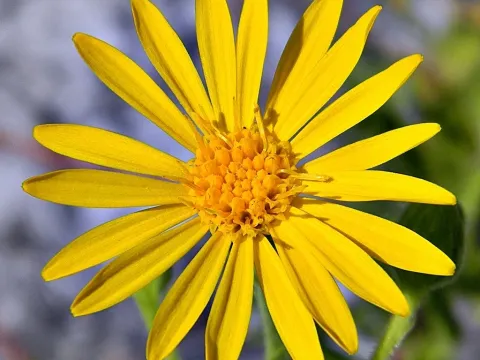
Goldenaster
Chrysopsis
Sowing Goldenaster is best initiated in early spring once the danger of hard frosts has passed. Seeds benefit from a cold-moist stratification period of several weeks, which mimics natural winter conditions and ensures a higher germination rate.
What the section contains

Goldenaster
When starting indoors, use a well-draining, sterile seed-starting mix. Surface sow the seeds as they require light to germinate effectively, pressing them gently into the substrate without covering them completely.
In direct seeding applications, ensure the soil surface is finely raked and free of debris. Space the seeds out evenly, maintaining a density that allows for adequate airflow once the seedlings emerge to prevent dampening off.
Temperature control is crucial during the early stages; maintaining a steady 15-20 degrees Celsius encourages uniform growth. Keep the seedbed consistently moist until the first true leaves appear, then gradually decrease watering frequency.
Transplanting seedlings into the permanent location should be done once they reach a height of approximately 10 centimeters. Handle the root systems with care, as they can be sensitive to disturbance during the initial establishment phase.
Goldenaster thrives in full sun exposure, requiring at least six to eight hours of direct sunlight daily. Planting in shaded environments will lead to leggy, weak plants and a significant reduction in overall flower production.
The plant is highly adaptable to various soil types but performs exceptionally well in sandy or rocky soils with excellent drainage. Avoid heavy clay soils that retain moisture, as they often lead to root rot during dormant months.
Regarding moisture, this genus is remarkably drought-tolerant once established. It is an ideal candidate for xeriscaping or dry garden borders where irrigation is limited or non-existent during the summer peak.
The soil pH should ideally remain between slightly acidic and neutral levels for optimal nutrient uptake. While not demanding of heavy fertilizer, a light application of compost in the spring can help support vigorous growth.
Protection from extreme wind is not typically necessary, but air circulation is vital. Avoid planting in tight corners or enclosed spaces where stagnant air could encourage the development of fungal pathogens.
Root rot is the most common issue for Goldenaster, usually caused by overwatering or poor soil drainage. Ensuring that the crown remains dry and that water does not puddle around the base is essential for plant longevity.
Aphids are frequent visitors during the spring growth flush. While minor infestations may not kill the plant, they can distort the flower buds; use insecticidal soaps or neem oil to manage populations effectively.
Powdery mildew may manifest as a white coating on the leaves if the plant is grown in overly humid conditions with poor ventilation. Regular maintenance, such as pruning back crowded foliage, helps to mitigate this risk.
Spider mites can be a nuisance during long, hot, and dry summer spells. Monitor the undersides of the leaves periodically; if webbing is detected, increase the humidity around the plant or apply a targeted miticide.
To prevent disease transmission, avoid overhead watering, which leaves foliage wet for extended periods. Always sanitize gardening tools between working on different sections of the flowerbed to avoid cross-contamination.
Harvesting for floral display should occur in the morning after the dew has evaporated but before the heat of the day. Cut the stems when the blossoms are about three-quarters open to ensure maximum vase life.
For seed collection, wait until the flower heads begin to turn brown and the seeds start to detach naturally. Carefully harvest the heads and place them in paper bags to catch any seeds that release during drying.
Drying Goldenaster as an everlasting flower requires a dark, dry, and well-ventilated location. Hang the bundles upside down to keep the stems straight while the moisture evaporates from the tissues.
Once dried, the seeds should be winnowed to remove plant debris and stored in a cool, dry place. Using airtight containers or labeled envelopes prevents humidity fluctuations from damaging the long-term viability of the seeds.
Proper storage duration allows the seeds to remain viable for up to three years. Testing germination rates before the next planting season is a standard practice for maintaining a high-quality collection of Goldenaster.