
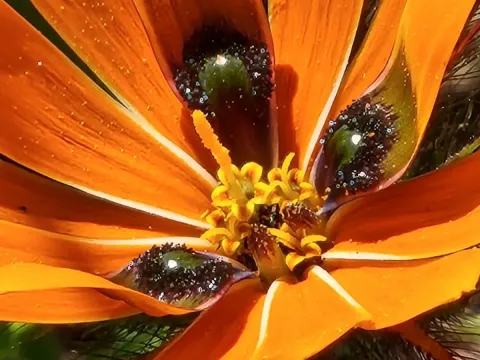
Gorteria
Gorteria
Sowing Gorteria is primarily carried out in the spring period after the threat of frost has passed. To achieve early flowering, it is recommended to use the seedling method, starting seeds in a controlled environment 6–8 weeks before transplanting.
What the section contains


Gorteria
The optimal temperature for seed germination is between 18–22 degrees Celsius. The starting substrate must be light, well-draining, and sterilized to prevent fungal diseases during the early stages of seedling development.
The sowing depth should not exceed 0.5–1 centimeter. It is crucial to provide regular but moderate watering, avoiding waterlogging, which can easily lead to the decay of the Gorteria root system.
Pricking out the seedlings should be performed after the appearance of the first pair of true leaves. The plants require high light levels, so indoor cultivation often involves using phytolamps to prevent leggy stems.
Before transplanting into open ground, the seedlings must be hardened off for 10–14 days, gradually exposing them to ambient temperature fluctuations and direct sunlight.
Gorteria is a genus of plants belonging to the Asteraceae family, native mainly to Southern Africa. These plants are adapted to arid conditions and require maximum solar exposure for full growth and vibrant flowering.
The soil for this crop should be poor or moderately fertile, with excellent drainage capacity. Heavy clay soils are detrimental to Gorteria due to the risk of stagnant water near the root collar.
The culture is extremely sensitive to excess moisture, favoring sandy or rocky substrates with a neutral to slightly alkaline pH. Excessive fertilization, particularly with nitrogen, can suppress the blooming process.
The plant's thermophilic nature requires selecting sites sheltered from strong winds. Gorteria is perfectly suited for cultivation in southern regions with hot, dry summers where it reaches its full decorative potential.
In colder climates, the plant is often grown as an annual in containers, which allows the gardener to control environmental conditions and bring the plant indoors for protection if necessary.
The main threats to Gorteria are fungal infections, such as root rot and powdery mildew, which occur when humidity levels are not properly managed. Prevention focuses on soil aeration and controlled irrigation.
Regarding pests, plants can be parasitized by aphids and spider mites, especially in dry climates or greenhouse conditions. Regular inspection of the leaves allows for the early detection of localized infestations.
Slugs and snails can damage young leaves and shoots, especially during rainy seasons. Using gravel mulch or physical barrier methods helps protect the plant from these pests.
Nematodes sometimes infect the root system, leading to stunted growth and wilting. Using clean potting mix and practicing crop rotation minimizes the risks of soil contamination.
In cases of severe pest infestation, broad-spectrum insecticides are applied, though for overall plant health, priority should be given to preventive horticultural practices.