
Gamochaeta
Gamochaeta
The genus Gamochaeta belongs to the large family Asteraceae. These are predominantly annual or biennial herbaceous plants that look very similar to members of the genus Gnaphalium (cudweeds).
What the section contains


Gamochaeta
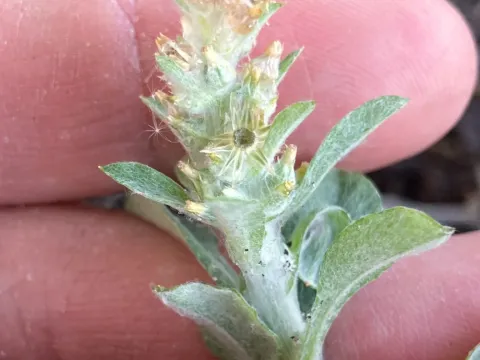
Plants of this genus are characterized by dense pubescence, which gives them a silvery-gray hue. The leaves are lanceolate or spatulate in shape, often gathered in a basal rosette, which helps the plant retain moisture.
Gamochaeta prefers open, well-lit areas. It is often found in sandy soils, wastelands, roadsides, and agricultural fields, where it acts as a weed component.
The native range of the species covers mainly the territories of South and North America. Currently, many Gamochaeta species have naturalized in many regions of the world with temperate and subtropical climates, expanding their range as invasive plants.
The plant has high ecological plasticity, allowing it to successfully develop on poor, depleted soils where other types of crops experience a nutrient deficiency.
The main threat to agroecosystems posed by Gamochaeta is its role as a noxious weed, which competes with beneficial crops for water, light, and mineral nutrition during the initial growth phases.
Due to intense reproduction by small seeds equipped with pappi, it spreads rapidly across the field, infesting vegetable and grain crops, which complicates weeding efforts.
In the natural environment, Gamochaeta can be affected by fungal diseases, such as powdery mildew or gray mold, which can spread to neighboring crops under high humidity conditions.
Among the pests that prefer this species are various types of aphids and mites, which use the pubescent leaves of the plant as a shelter and food source during the spring-summer period.
Controlling the population of this plant in agricultural conditions is most often carried out through timely mechanical soil cultivation and the use of broad-spectrum herbicides.