
Caribbean cudweed
Gamochaeta antillana
Description
Growing requirements
Caribbean cudweed (Gamochaeta antillana) belongs to the Asteraceae family. In agricultural settings, it is typically recognized as a persistent weed rather than a cultivated crop, often competing with commercial varieties.
Originating from the Caribbean and surrounding tropical regions, this plant has adapted to diverse environments. It thrives in open, sunny fields and disturbed areas where native vegetation has been cleared or altered.
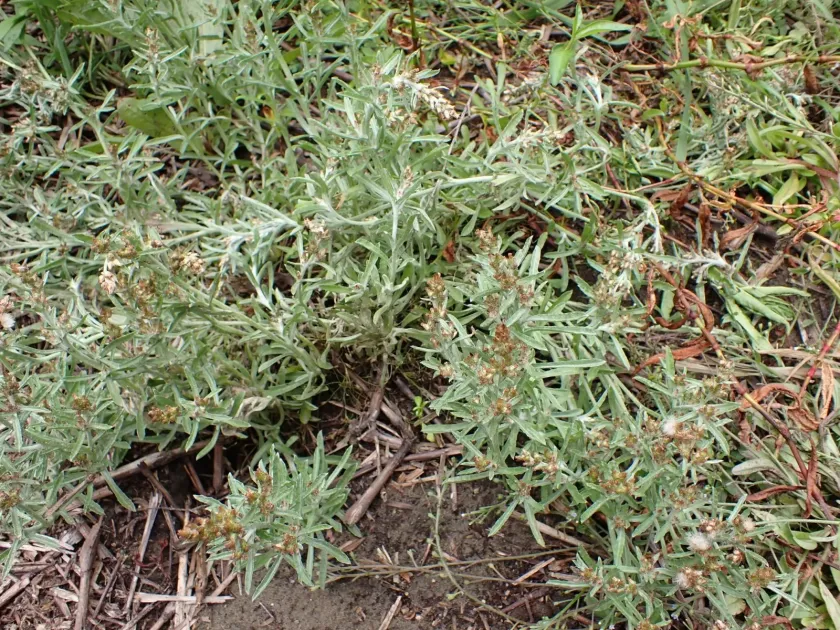
Botanically, it is a herbaceous plant characterized by dense, woolly hairs on the leaves and stems. These features assist in minimizing transpiration, allowing the plant to survive in various dry soil conditions.
The plant grows well in diverse soil types, ranging from sandy loam to clay. It prefers well-drained ground and is capable of germinating rapidly when environmental conditions match its life cycle requirements.
Management in farming is focused on suppression. Because the plant produces numerous lightweight seeds, it can spread across large fields quickly, necessitating proactive weed control protocols before flowering stages.
Main diseases and pests
Common threats to this plant include fungal pathogens such as rusts and powdery mildew. These diseases flourish in high-humidity environments, potentially reducing the plant's growth vigor.
Invertebrate pests, including aphids and various leaf-eating beetles, often use Caribbean cudweed as a host. While these pests may cause damage, they are usually insufficient to eradicate the weed species entirely.
Mechanical tillage serves as the primary defense for farmers. By turning the soil, growers can bury seedlings and disrupt root development, preventing the weed from establishing a strong hold.
Chemical control involving broad-spectrum herbicides is often used in large-scale operations. It is essential to apply these during the early seedling stage to maximize efficacy and prevent seed production.
Maintaining high standards of field hygiene is the best strategy against infestations. Ensuring that farm equipment is cleaned between operations helps prevent the accidental distribution of seeds across different field blocks.