
Gamochaeta stagnalis
Gamochaeta stagnalis
Description
Growing requirements
Gamochaeta stagnalis is a herbaceous plant species belonging to the Asteraceae family. It is typically found in moist environments, including wet fields, sandy soils, and disturbed areas where the surface vegetation has been modified.
The plant demonstrates a strong preference for well-lit environments and soils with consistent moisture levels. It is notably resilient, capable of thriving in nutrient-poor substrates and sandy soils where other crops might struggle to establish a robust root system.
Climate-wise, Gamochaeta stagnalis requires a stable warm season to complete its biological cycle. It is best adapted to regions without prolonged severe freezing, as the physiological processes of the plant rely on moderate temperatures to sustain active metabolic growth.
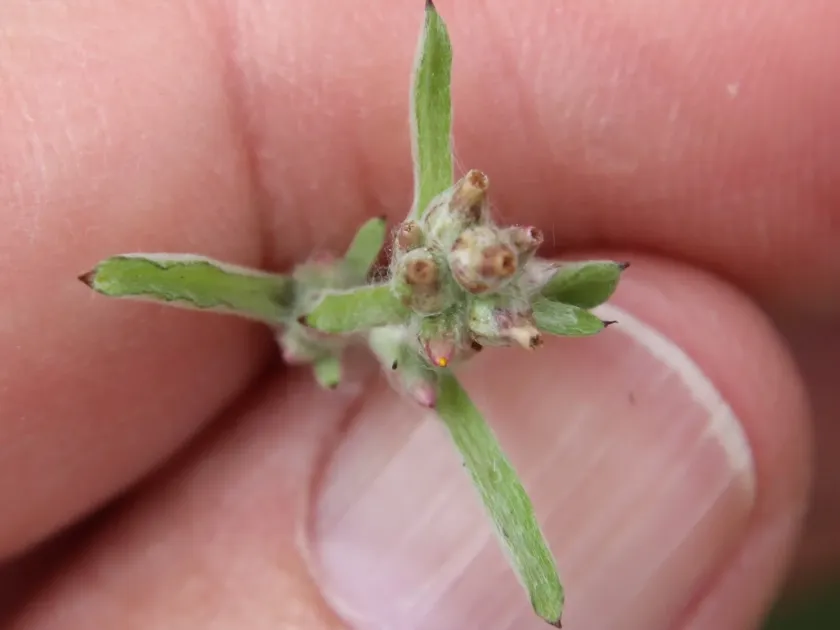
The botanical structure of the plant features stems and leaves covered in a dense, woolly-like pubescence. This specialized covering serves as a protective barrier, reducing transpiration and helping the plant maintain water homeostasis during periods of intense solar exposure.
In terms of agricultural and commercial interest, the plant is primarily evaluated for its potential in herbal medicine. While not a mainstream crop, research into the phytochemical profile of Gamochaeta species suggests opportunities for utilizing its extracts in various therapeutic applications.