
Gamochaeta simplicicaulis
Gamochaeta simplicicaulis
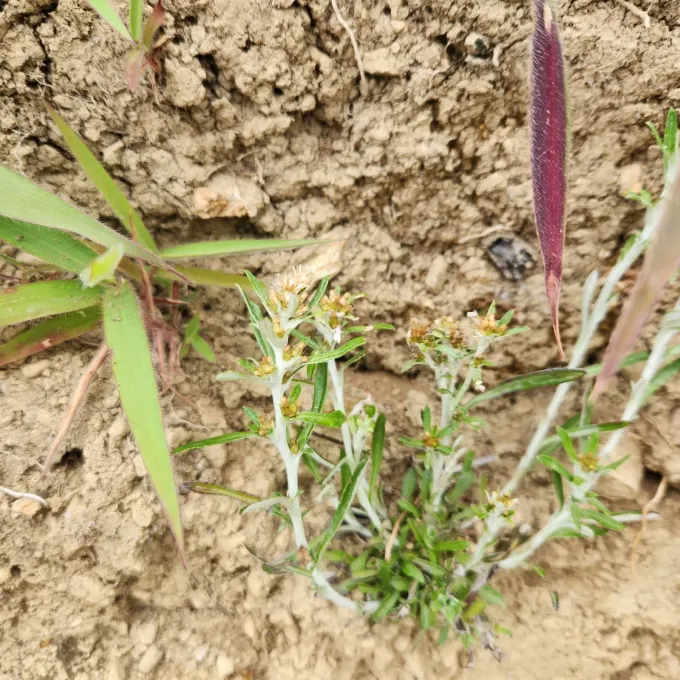
Description
Growing requirements
Gamochaeta simplicicaulis is a member of the Asteraceae family, widely known for its ability to adapt to diverse ecological niches. It is characterized by its simple, erect stems and dense woolly pubescence covering the leaves and shoots.
Native to South American regions, this species has successfully colonized various temperate and subtropical territories globally. It thrives in open, sunny environments and is frequently found in disturbed soils, roadsides, and meadows.
The plant demonstrates a high tolerance for varied climatic conditions, though it performs optimally in well-drained, sandy-loam soils. It does not require intensive fertilization, making it a low-input botanical subject.
In terms of moisture, the plant is relatively drought-resistant due to its silver-white hairs that minimize evapotranspiration. It prefers temperate zones but can survive mild winters if the root system is well-established.
From an agricultural standpoint, its growth cycle is dependent on soil temperature; germination typically occurs when temperatures reach a moderate level, ensuring sufficient heat for early biomass development.
Main diseases and pests
The most significant threats to Gamochaeta simplicicaulis include root rot diseases caused by soil moisture stagnation. Excessive humidity during the growing season often leads to stem decay and poor plant vigor.
Insect pests such as aphids and spider mites are common antagonists, often attacking the plant during periods of drought stress. These pests can cause chlorosis and stunted growth of the main shoot.
Pathogenic fungi like powdery mildew represent a risk, particularly in areas with high humidity and poor airflow. Preventive measures include thinning out plants to ensure sufficient space between individual specimens.
Competition from more aggressive, fast-growing weeds can significantly reduce the establishment success of the crop. Regular weeding is necessary during the early stages of development to avoid resource depletion.
In some regions, small mammals and insects feeding on seeds can reduce the natural propagation rate of the population, which should be monitored if the plant is being managed for restoration purposes.