
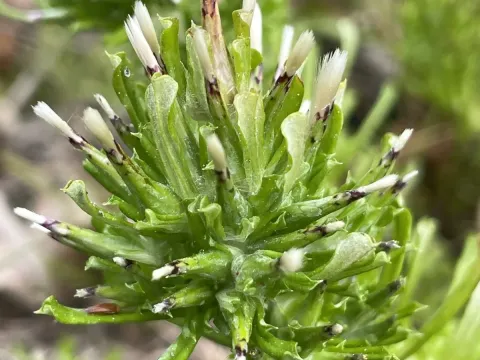
Facelis
Facelis
Facelis is a genus of annual herbaceous plants belonging to the Asteraceae family, often utilized for its adaptive traits and aesthetic appeal in managed landscapes.
What the section contains
Facelis
Sowing typically takes place in early to mid-spring, ensuring the risk of late frost has passed and soil temperatures are conducive to germination.
Seeds should be sown shallowly, as they require light to germinate effectively, and should be lightly pressed into the soil surface to ensure contact.
For greenhouse cultivation, starting seeds in modular trays during late winter allows for earlier maturation and a head start on the growing season.
Maintaining a consistent moisture level during the first two weeks post-sowing is critical to achieving a uniform and high-density plant stand.
The plant thrives in well-drained, sandy, or light loam soils, as high moisture retention often leads to root-related stress or decay.
Full sun exposure is mandatory for this species, as partial shade significantly reduces flowering density and overall plant vigor during development.
Facelis is recognized for its notable drought tolerance, making it an excellent candidate for regions experiencing dry summer conditions.
Soil pH levels should ideally range between 6.0 and 7.0 to ensure optimal nutrient uptake and general health throughout the growth cycle.
Moderate fertilization is recommended; excessive nitrogen input should be avoided to prevent leggy growth and maintain the structural integrity of the plant.
Root rot and various fungal pathogens represent the primary threats, predominantly caused by poor soil drainage and excessive ambient humidity.
Common agricultural pests include aphids and spider mites, which are most active during periods of high temperature and dry air conditions.
Cultural control methods, such as thinning plant populations to improve airflow, are essential for preventing the spread of fungal diseases.
Monitoring the undersides of leaves is recommended to detect early infestations of piercing-sucking insects before they impact overall plant health.
If chemical intervention is necessary, the use of targeted systemic insecticides or horticultural soaps is preferred to minimize harm to beneficial pollinators.