
Faurie's wormwood
Artemisia fauriei
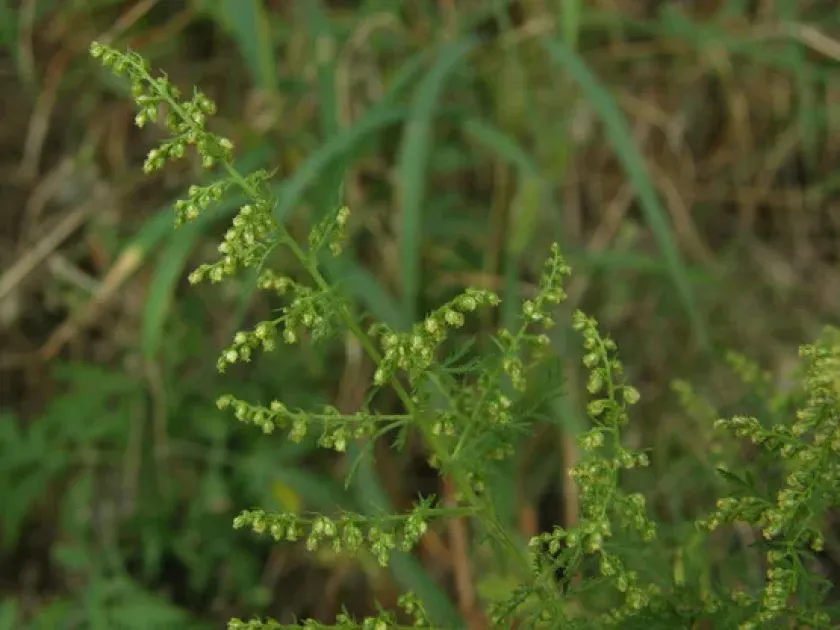
Description
Growing requirements
Faurie's wormwood (Artemisia fauriei) is a perennial herbaceous plant belonging to the Asteraceae family. It is a distinct species known for its specific phytochemical profile and hardy growth characteristics.
The plant originates from East Asia, specifically regions within the Korean Peninsula and Japan. It thrives in temperate climates, showing a strong preference for sunny, well-ventilated environmental conditions.
Regarding soil requirements, Artemisia fauriei performs best in well-drained, sandy or light loamy soils. It is highly sensitive to waterlogging, making proper drainage systems essential for cultivating this herb successfully.
From an agrotechnical standpoint, the crop is recognized for its drought tolerance. While it can survive in nutrient-poor soils, targeted applications of mineral fertilizers early in the season significantly boost biomass production.
Economic importance of the crop lies primarily in the production of botanical extracts. Its high concentration of specific essential oils and flavonoids makes it a valuable resource for the pharmaceutical industry.
Main diseases and pests
Common fungal diseases such as powdery mildew represent a significant threat to Artemisia fauriei, especially during periods of high atmospheric humidity or poor air circulation within the fields.
Root rot remains the most serious pathological challenge, typically triggered by soil compaction or excessive irrigation. Maintaining healthy soil structure is the primary defense strategy for farmers.
Various leaf-eating insects and aphids can cause economic damage by reducing leaf area or inhibiting growth. Integrated pest management (IPM) practices are recommended to mitigate these risks effectively.
Weed competition in the early growth stages is a critical factor affecting yield. Regular mechanical cultivation and hand weeding during the initial months are necessary to ensure the crop establishes well.
Effective crop rotation helps maintain soil health and reduces the pressure from soil-borne pathogens. Rotating with non-Asteraceae crops is highly recommended for sustainable long-term production.