
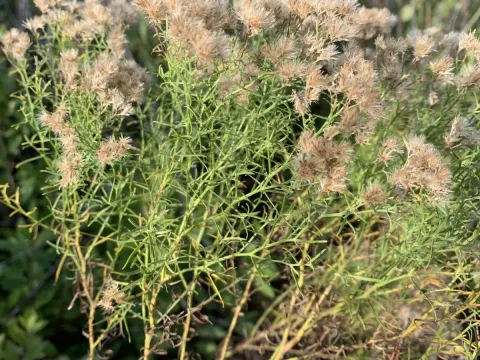
Euthamia
Euthamia
Euthamia is typically propagated via seeds or rhizome division. Direct sowing in open fields is recommended for the spring once the soil has warmed up sufficiently, ensuring faster germination and establishment.
What the section contains


Euthamia
For indoor starts, seeds should be sown in trays during late February or March. Providing a controlled environment allows for better seedling development before transitioning the plants to their final outdoor location.
When dividing the plant, it is best to perform this task in early spring or autumn. Ensuring that each division has a healthy root mass and visible buds is essential for successful re-establishment in the soil.
Seeds require minimal coverage with soil, as they benefit from exposure to light to trigger germination. Maintaining consistent soil moisture during the first weeks after sowing is crucial for success.
Spacing between plants should be approximately 30 to 40 centimeters. This density prevents overcrowding, reduces competition for nutrients, and allows for adequate airflow, which is critical for healthy plant development.
Euthamia is a genus within the Asteraceae family, originating from North America. It thrives in sunny, open habitats and requires full sunlight throughout the day to achieve its maximum growth potential.
Well-drained, sandy, or light loamy soils are ideal for this plant. It is highly sensitive to waterlogging, as excessive moisture can quickly lead to root rot, which is a major threat to the plant's survival.
The plant is relatively adaptable to various soil pH levels, but it prefers neutral to slightly acidic conditions. While it possesses good drought tolerance once established, occasional watering during prolonged dry spells is beneficial.
Fertilization should be handled with care. A balanced mineral fertilizer applied during the early vegetative phase supports steady growth, but avoiding high-nitrogen formulas is key to preventing weak, floppy stems.
In terms of temperature, Euthamia is quite resilient and hardy. It can withstand moderate winters, though mulching the base in late autumn provides essential protection in colder climates to prevent deep freezing of the rhizomes.
The primary use of Euthamia is in the ornamental horticulture and floristry industries. Its dense clusters of flowers offer a distinct textural element to bouquets and garden compositions throughout the late summer.
Yield, in terms of harvestable stems, is maximized through proper pruning. Pinching the main shoot early in the season encourages the growth of multiple lateral branches, significantly increasing the number of flower heads per plant.
Commercial harvest typically occurs when the flower clusters are fully open but before they begin to fade. Proper timing is essential to ensure the longevity of the stems in floral arrangements.
Proper maintenance of the planting site over several years is necessary to ensure consistent production. After 4 to 6 years, plants may lose vigor and require division or relocation to fresh, nutrient-rich soil.
The overall quality of the stems is influenced by light intensity. Plants grown in fully exposed locations produce stiffer, more robust stems that are better suited for professional floristic applications.
Powdery mildew is the most prevalent disease for Euthamia, particularly in humid and stagnant air conditions. Visible white fungal growth on the leaves necessitates prompt treatment with appropriate fungicides.
Root rot occurs primarily due to poor drainage and overwatering. Preventative measures include assessing the site's drainage capacity before planting and ensuring the root zone does not remain waterlogged.
Aphids are common pests that target the soft, growing tissues of the plant. Their feeding can cause curling of the leaves and distorted inflorescences, which detracts from the plant's aesthetic value.
Spider mites may infest the foliage during hot and dry periods. Regular inspection and maintaining appropriate environmental conditions help keep populations low and prevent significant damage to the plant's health.
Integrated pest management, including regular crop monitoring and the use of natural predators, is a sustainable approach. Keeping the area free of weeds also helps reduce the habitat available for pests and potential disease hosts.