
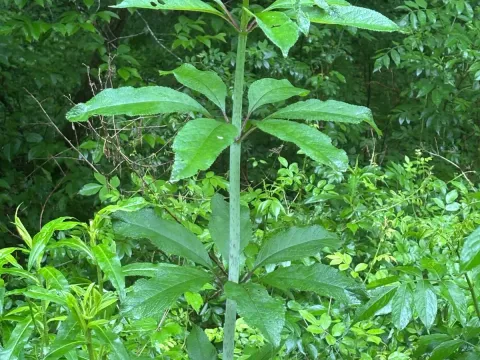
Eutrochium
Eutrochium Raf.
Sowing seeds of Eutrochium is typically done in the spring. Since seeds require stratification for optimal germination, they should be kept in cold conditions for several weeks before being planted in trays or directly into the garden soil.
What the section contains


Eutrochium
Indoor sowing in late winter allows for stronger seedling development before transplanting. Using a well-draining, nutrient-rich potting mix and maintaining a consistent temperature near 20 degrees Celsius will ensure successful seedling emergence.
Transplanting seedlings to their final location is carried out after the danger of late frost has passed. It is crucial to space the plants appropriately to allow for significant air circulation, as mature plants can reach considerable height and spread.
Vegetative propagation via root division is highly recommended for maintaining specific cultivar traits. The best time for this activity is early spring, just as the plant starts to show signs of new growth from its dormancy phase.
When dividing, ensure each segment has a healthy portion of the root system and several buds. Immediate planting and thorough watering are essential to minimize transplant shock and encourage the establishment of a robust root network.
Eutrochium, a member of the Asteraceae family, is a tall, hardy perennial native to North America. It is naturally adapted to moist meadows, riverbanks, and woodland edges, which defines its preference for high-moisture environments.
The plant thrives best in full sun or light shade conditions. While it is adaptable, exposure to sufficient sunlight encourages the development of stronger, sturdier stems that are less likely to require additional mechanical support.
Deep, fertile, and moisture-retentive soils are ideal for Eutrochium. It performs exceptionally well in rich loamy soils, particularly those that are slightly acidic, where organic matter is readily available for nutrient uptake.
This species is highly cold-tolerant and survives winter temperatures well across most temperate zones. Gardeners typically cut the dried stems back to the ground in late autumn to prepare the plant for its spring regrowth cycle.
Regular organic feeding, such as adding compost or aged manure around the base of the plant in spring, is beneficial. This practice maintains soil structure and provides the steady supply of nutrients required for prolific flowering.
Powdery mildew is the most common fungal disease associated with Eutrochium, typically occurring in humid conditions with poor air circulation. Improving spacing and ensuring the foliage dries quickly helps to mitigate this risk.
Aphids are occasional pests that may cluster on the tender new growth of the plant. If an infestation occurs, a gentle wash with water or the application of insecticidal soap is usually sufficient to resolve the problem.
Spider mites can become an issue during prolonged hot and dry spells. Maintaining adequate soil moisture and occasionally rinsing the foliage can prevent these pests from establishing significant populations on the plants.
Root rot is primarily a threat in soils with poor drainage. Selecting a site that allows excess water to move away from the root zone is vital, especially during heavy rainfall periods when plants are vulnerable to saturation.
Generally, Eutrochium is a low-maintenance plant with few severe threats. With proper site selection and consistent monitoring of soil moisture, it is a healthy, long-lived addition to any landscape or garden project.