
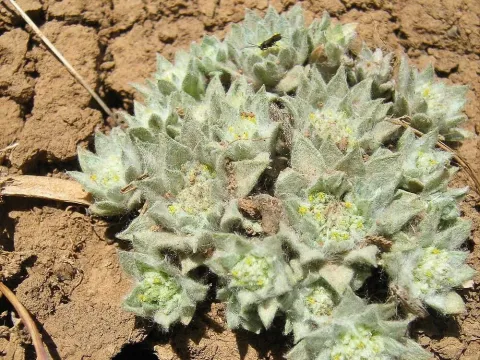
Evax
Evax
Evax seeds are typically sown in early spring as soon as the soil has warmed up sufficiently. Direct seeding into prepared garden beds is a standard practice for many species within this genus.
What the section contains
Evax
For indoor propagation, seeds should be sown in late winter in well-draining potting soil. Maintaining a warm environment is crucial for successful germination, which usually takes about two weeks.
Since the seeds are very small, they should be barely covered with soil or simply pressed into the surface. Providing light is essential for the germination process in many Evax species.
Once the seedlings develop their first true leaves, they can be thinned out or transplanted. Careful handling is necessary to avoid damaging the delicate root systems of young plants.
Strategic placement in the garden should account for the plant's mature size to ensure that each individual has enough space for proper development and optimal airflow.
Evax belongs to the Asteraceae family and is known for its compact growth habit and often silvery, pubescent foliage, which is an adaptation to arid environments.
The plant thrives in full sun and requires a location that receives at least six to eight hours of direct sunlight daily. It is highly suited for xeriscaping and rock gardens.
Soil drainage is the most critical requirement for this plant. It prefers gritty, sandy, or stony soils that do not retain moisture, preventing the risk of root rot during wet weather.
Evax exhibits exceptional drought tolerance once established. Supplemental watering is rarely needed unless the plant is grown in containers or during periods of extreme, prolonged heat.
While fertilization is generally not required, a light application of a low-nitrogen fertilizer in early spring can help maintain plant vigor and encourage consistent growth throughout the season.
The most common issues for Evax are related to moisture management. Overwatering or poorly draining soil will inevitably lead to root and crown rot, which are often fatal.
Aphids can occasionally infest the growing tips during the spring months. These pests can be managed by washing the plants with a gentle stream of water or using insecticidal soap if necessary.
Fungal infections, such as powdery mildew, may occur if the plants are placed in locations with high humidity and insufficient air movement, particularly in late summer.
Slugs and snails can cause damage to seedlings and young foliage. Implementing barriers or using physical traps around the planting area can help mitigate this problem effectively.
Maintaining a clean garden bed by removing debris and weeds helps prevent the buildup of pathogens and provides a healthier environment for the plant to thrive throughout the year.