
Eutrochium
Eutrochium
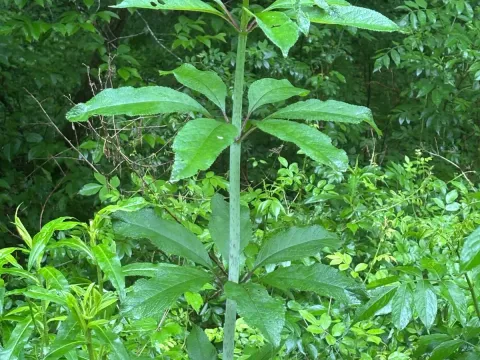
Eutrochium, commonly known as Joe Pye weed, belongs to the Asteraceae family. As a perennial herbaceous plant, it requires specific conditions for successful establishment from seeds or vegetative parts.
What the section contains
Eutrochium
Seed propagation is most effective when combined with cold stratification. Sowing can be done outdoors in late autumn, allowing the natural winter cycle to break seed dormancy and ensure spring germination.
Vegetative propagation via root division is a preferred method for maintaining genetic uniformity in cultivars. This should be performed during the dormant season, either in early spring or mid-autumn.
When planting, allow sufficient space for airflow; a spacing of 60 to 80 centimeters is recommended depending on the specific variety, which helps prevent foliage diseases and promotes vigorous growth.
Seedlings require consistent moisture during their first growing season, as their root systems are not yet developed enough to handle drought conditions prevalent in many summer climates.
Eutrochium thrives in sunny locations but can tolerate partial shade, provided it receives sufficient light to support its tall, robust stems. It is a highly versatile plant for various landscape designs.
The ideal soil for this species is deep, fertile, and moisture-retentive. Heavy clay-loam soils are particularly favorable because they effectively hold the water that the plant constantly craves.
Adequate hydration is critical for Eutrochium. In professional agricultural or landscape management, irrigation systems must be calibrated to prevent the soil from drying out during high-temperature periods.
Nutrient management involves applying balanced fertilizers in early spring to fuel the rapid vegetative growth, followed by potassium-rich supplements before the flower buds begin to set.
The plant is exceptionally hardy and capable of surviving winters in temperate zones without requiring protection. However, a layer of mulch is beneficial for retaining soil moisture and suppressing weeds.
Powdery mildew is the most common disease for Eutrochium, typically appearing in late summer if humidity levels are high and air circulation around the plants is inadequate.
Pests such as aphids and leaf-eating caterpillars can occasionally impact the plant. Monitoring should focus on the undersides of leaves and the succulent tips of young, emerging stems during spring.
Root rot, driven by stagnant water and poorly drained soil, is a significant threat that can kill mature plants. Ensuring good soil structure and proper drainage is the best preventive measure.
Stem borers may occasionally infiltrate the thick stalks. Regular inspections of the stems can help identify early signs of infestation, allowing for prompt pruning and removal of affected parts.
General hygiene, such as removing debris at the end of the season and keeping the area free of invasive weeds, significantly reduces the pest and disease pressure on the crop.
For ornamental or floral design use, harvest the flower heads when they are fully open but before the seeds begin to ripen. This ensures the longest vase life and best color retention.
Drying the stems for preserved arrangements should be done by hanging them upside down in a dark, well-ventilated area to prevent decay and maintain the structure of the flower heads.
If harvesting for seeds, cut the stalks when the flower heads turn brown and the down begins to emerge. Place them in paper bags to capture the seeds as they are released.
Be cautious when processing seed material; because the seeds have light feathery attachments, they can easily disperse in the wind, leading to significant loss of the harvest if not handled carefully.
Post-harvest care involves cutting the stems back to the base after the first frost, which tidies the garden and prevents the spread of potential pathogens that may overwinter on dead stems.