
Farfugium
Farfugium
Farfugium is a genus of perennial plants in the Asteraceae family, native to East Asia. It is highly valued in horticulture for its bold, evergreen foliage that adds a touch of sophistication to shaded garden corners and damp environments.
What the section contains


Farfugium
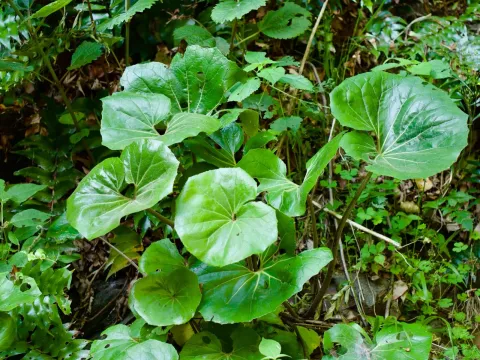
The plant features thick, leathery leaves which can be kidney-shaped or heart-shaped, depending on the cultivar. These plants are biologically adapted to humid, forested slopes, where they benefit from the natural canopy cover that protects them from harsh weather elements.
When cultivating Farfugium, it is critical to select a location that provides ample shade. While they can tolerate some morning light, prolonged exposure to intense afternoon sun is detrimental and will cause the leaf edges to brown and wither.
Soil requirements focus on moisture retention and fertility. A rich, well-draining substrate amended with compost is ideal to support the vigorous growth of the foliage. Consistency in irrigation is the most important factor for success.
In terms of climate, these plants are best suited for mild, temperate zones. In colder regions, they must be protected from hard frosts. Covering the base with organic mulch is essential to insulate the roots during the dormant winter months.
Slugs and snails are the most prominent pests for Farfugium. They are particularly attracted to the succulent nature of the leaves and can cause extensive damage if not managed with bait or physical barriers.
Fungal diseases, including powdery mildew and various leaf spots, often plague the plants when air circulation is poor or when the leaves remain wet for extended periods, creating an ideal environment for pathogen proliferation.
Root rot is a common physiological threat caused by poor soil drainage. When the roots sit in waterlogged soil, they suffocate and succumb to rot quickly, often manifesting in the wilting of the entire plant despite regular watering.
Gardeners should implement a regular inspection routine to identify pest presence early. Early intervention using eco-friendly soaps or baits can prevent the spread of damage throughout the entire garden bed.
Maintaining cleanliness in the garden by removing decaying debris around the plant base significantly reduces the habitats where pests and fungal spores can survive over the winter season.