
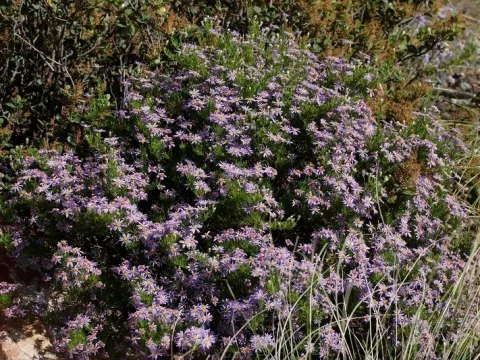
Felicia
Felicia Cass.
Felicia, a genus belonging to the Asteraceae family, is widely cultivated as an ornamental plant in various temperate and subtropical climates.
What the section contains


Felicia
Sowing should ideally take place in early spring, indoors, to provide a head start before transplanting seedlings into the garden after frost risks have vanished.
When sowing, seeds should be lightly pressed into the soil surface rather than buried, as they require light to germinate efficiently.
The germination period usually lasts between 10 to 14 days, provided that soil moisture is consistently maintained and the temperature stays around 20 degrees Celsius.
Transplanting into the permanent garden site should occur when the seedlings are robust enough to withstand outdoor conditions, usually at a spacing of 20–30 cm.
Felicia plants thrive in full sun conditions; providing at least 6–8 hours of direct sunlight is essential for optimal flowering and overall plant health.
The soil must be well-drained and relatively lean; heavy clay soils that retain excessive moisture can lead to root rot and other fungal complications.
A soil pH ranging from 6.0 to 7.0 is considered optimal for this crop, ensuring that the plant can effectively absorb necessary macro and micronutrients.
While the plants show good resistance to mild drought once established, regular watering is recommended during the peak bloom period to keep flowers vibrant.
Fertilization should be handled with caution, using balanced water-soluble fertilizers to prevent excess vegetative growth at the expense of blossom production.
The primary threats to Felicia are fungal pathogens, specifically root rot, which occurs most frequently in waterlogged or poorly ventilated garden beds.
Powdery mildew is another significant issue, especially in humid conditions or areas with poor air circulation, necessitating prompt fungicidal intervention.
Aphids and spider mites are the most prevalent pests, capable of damaging young shoots and reducing the plant's overall aesthetic value and vigor.
Integrated pest management, including regular monitoring and the use of natural predators or soft insecticides, is recommended to control these infestations.
Maintaining clear surroundings and avoiding overcrowding are effective cultural practices to reduce the susceptibility of plants to various pests and diseases.
Felicia is primarily utilized for aesthetic purposes in landscaping, borders, rock gardens, and as a component in various floral arrangements.
Harvesting for bouquets should be done in the morning when the flowers are fully turgid, which helps maintain their freshness for a longer duration.
Seed collection involves harvesting dried flower heads once they turn dark brown, allowing for subsequent cleaning and storage in a cool, dry environment.
Regular deadheading is an important maintenance practice that prevents the plant from setting seed prematurely and encourages a second flush of blooms.
Properly dried and stored seeds can remain viable for up to two years, allowing gardeners to propagate their own stock for successive growing seasons.