
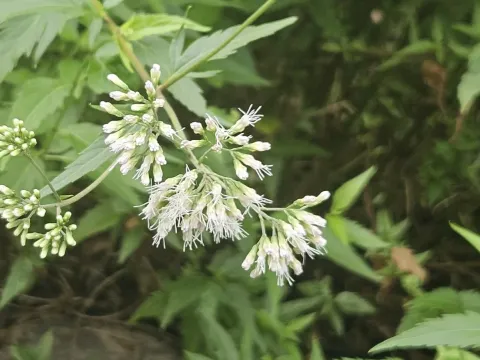
Formosan Eupatorium
Eupatorium formosanum
The sowing of Formosan Eupatorium is typically conducted in the spring when soil temperatures reach 15–18 degrees Celsius. Seeds often require a period of stratification to improve germination rates, which helps ensure uniform seedling emergence across the field.
What the section contains
Formosan Eupatorium
In large-scale production, starting the plants from seedlings is the preferred method because the seeds are extremely small. These seedlings are transplanted to the open field once the risk of spring frost has completely passed, with spacing maintained at 40–50 centimeters between plants.
Selecting an ideal site is crucial for successful cultivation; the plant thrives in open, sun-exposed locations, although it can tolerate partial shade. Soil preparation involves deep tillage to remove perennial weeds and incorporating organic matter to improve fertility before planting.
When direct seeding, the seeds are spread evenly on the moist soil surface and lightly covered with a thin layer of sand or substrate. Maintaining consistent soil moisture during the initial germination phase is vital, although care must be taken to prevent waterlogging, which promotes rot.
In regions with milder climates, winter sowing is a viable option that allows the seeds to undergo natural stratification. This cycle encourages the development of a strong root system, leading to more vigorous plant growth when the growing season begins the following year.
Formosan Eupatorium belongs to the Asteraceae family and is native to Taiwan and parts of East Asia. As a perennial herbaceous plant, it is well-adapted to subtropical and temperate climates, making it a reliable crop for specialized herb farms in suitable regions.
The plant prefers loose, fertile loam soils with excellent drainage. It is highly sensitive to water stagnation at the roots; therefore, fields prone to water accumulation must have drainage channels or be planted in raised beds to ensure the root zone stays healthy.
The ideal soil pH for this crop ranges from slightly acidic to neutral (6.0–7.0). If the soil is too acidic, liming should be performed prior to the planting season to optimize the plant's ability to absorb essential nutrients required for biomass production.
Regular irrigation is necessary, particularly during the hot summer months to support optimal growth. Consistent water supply is essential to ensure high concentrations of the specialized sesquiterpene lactones and flavonoids that give the plant its medicinal value.
Balanced fertilization with nitrogen and phosphorus is recommended during the active growth phase to support stem development. However, excessive nitrogen should be avoided as it may encourage rapid vegetative growth at the expense of secondary metabolite accumulation.
The economic value of Formosan Eupatorium lies in its aerial parts, which are harvested for use in pharmaceuticals and traditional medicine. The plant is valued for its hepatoprotective and anti-inflammatory properties, making it a popular ingredient in health-promoting herbal supplements.
Harvesting usually occurs during the peak flowering stage when the concentration of bioactive compounds is highest in the leaves and stems. Yields typically increase significantly by the second and third year of cultivation, provided the plants are well-maintained and healthy.
After harvesting, the raw material must be dried quickly in a shaded, well-ventilated area at temperatures not exceeding 40 degrees Celsius. Proper drying techniques are essential to preserve the volatile essential oils and prevent degradation of the active chemical components.
Maintaining high yields over the long term requires periodic plantation renewal and diligent weeding to reduce competition for nutrients. An effectively managed plantation can remain productive for 5 to 7 years, delivering a consistent supply of quality herbal material for the market.
Efficiency in harvesting and post-harvest processing is key to the profitability of this crop. By implementing modern agricultural techniques, farmers can ensure that their Formosan Eupatorium meets the stringent quality requirements of the healthcare and supplement industries.
Common diseases affecting this crop include fungal infections like powdery mildew and gray mold, which are favored by high humidity and poor air circulation. Proper plant spacing and diligent canopy management are the best preventative measures against these pathogens.
Pests such as aphids and spider mites can cause significant damage by feeding on the sap of young leaves and shoots. Monitoring for these pests early in the season allows for targeted control, often preventing the need for broad-spectrum chemical treatments.
Integrated Pest Management (IPM) strategies are highly recommended to balance crop health with environmental standards. Using biological controls and preventive sanitation measures helps maintain a healthy crop while ensuring the harvested material is free of harmful chemical residues.
Slugs and snails may pose a threat to young seedlings in early spring, especially during wet spells. Protective physical barriers or safe bait traps are useful tools for preventing damage to new transplants during their most vulnerable developmental stage.
Crop rotation and maintaining spatial isolation from related species help reduce the risk of disease transmission. By focusing on healthy planting material and optimal soil conditions, growers can effectively mitigate the majority of risks associated with Formosan Eupatorium production.