
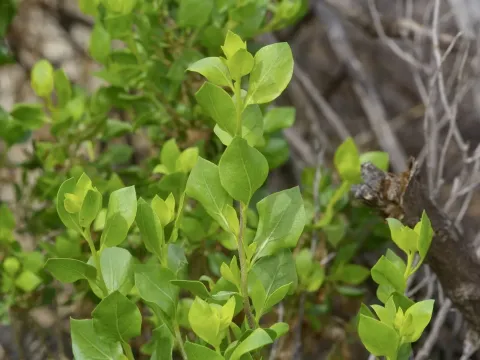
Flourensia
Flourensia
Flourensia is a genus of shrubs and subshrubs within the Asteraceae family. Known primarily as desert vegetation, these plants have evolved specialized physiological mechanisms to survive in the arid and semi-arid regions of the Southwestern United States, Mexico, and South America.
What the section contains

Flourensia
Botanically, Flourensia species are characterized by glandular hairs on their leaves and stems, which exude resinous substances. These resins protect the plant against desiccation and deter some herbivores, contributing to their high survival rate in harsh climates.
The crop thrives in well-drained, sandy, or rocky soil conditions. It is remarkably tolerant of saline soils, making it a subject of interest for reclamation projects aimed at restoring land quality in areas where conventional crops fail to establish.
Climatic requirements focus on high solar radiation and low precipitation. The plant is considered an obligate xerophyte, meaning it requires minimal water intake during its active growth period, focusing instead on efficiency and moisture retention within its woody tissues.
Industrially, Flourensia is utilized for its chemical properties. Extracts derived from its foliage contain terpenes and other secondary metabolites that have potential applications in the pharmaceutical and fragrance industries, in addition to its role in soil erosion control.
The primary threat to Flourensia is root rot, which typically occurs under conditions of poor soil drainage or excessive irrigation. Since the plant is adapted to dry conditions, waterlogged roots quickly lose their resistance to fungal infections.
In terms of insect pests, various species of leaf-eating beetles and weevils may cause damage, despite the resinous protection of the foliage. These pests can compromise the vigor of the plant, especially in high-density cultivation setups.
Grasshoppers represent a significant threat to large-scale stands, particularly during outbreaks. Their feeding activity can rapidly reduce the biomass of the plants, necessitating careful integrated pest management to avoid excessive use of insecticides.
To mitigate disease risks, planting site selection is crucial. Ensuring that the site has sufficient elevation and air drainage helps keep the plant canopy dry, which is the most effective defense against the spread of fungal spores in arid environments.
Ongoing monitoring is essential to detect pest infestations early. Maintaining a healthy balance of soil nutrients and avoiding over-fertilization helps the plant maintain its natural structural integrity and resilience against typical environmental stressors.