
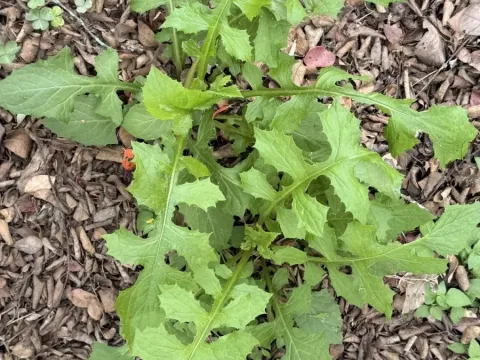
Florida lettuce
Lactuca floridana
Florida lettuce seeds are typically sown in early spring once the danger of frost has passed and soil temperatures have reached at least 15 degrees Celsius. The seeds are light-sensitive and should be sown on the surface or lightly dusted with soil.
What the section contains
Florida lettuce
For regions with longer growing seasons, fall planting is also a viable strategy, allowing the plants to establish before the onset of winter or to provide early spring harvests.
If starting indoors, sow seeds in seed starter trays about 3 to 4 weeks before the last frost date. This ensures strong, healthy seedlings that can be transplanted with minimal root disturbance.
Proper spacing is essential for air circulation; plants should be spaced 30 to 40 centimeters apart to reduce the incidence of fungal diseases in the foliage.
Ensure that the seedbed is kept consistently moist during the germination period, as drying out can significantly reduce the success rate of emergence.
Lactuca floridana thrives in fertile, well-draining soils rich in organic matter. A slightly acidic to neutral soil pH is ideal for optimal nutrient uptake and plant health.
The plant prefers areas with partial shade, especially in climates with intense midday sun, which can cause the lettuce to bolt prematurely and develop bitter leaves.
Consistent irrigation is required to keep the soil moist but not waterlogged. Overwatering can lead to root rot and other moisture-related diseases that diminish yield.
Temperatures between 18 and 22 degrees Celsius are optimal for leaf production. High heat promotes the transition from vegetative growth to flowering, which terminates the harvestable stage.
Regular maintenance involves light weeding to minimize competition for nutrients and space, keeping the area around the base of the lettuce clear and aerated.
The yield of Florida lettuce is highly dependent on environmental conditions and the intensity of care. With consistent irrigation and fertile soil, the plants can produce abundant foliage.
The "cut-and-come-again" harvesting method is the most efficient way to maximize yield, allowing for multiple harvests from a single plant over several weeks.
During the peak of the season, a well-tended plot can produce several kilograms of edible greens per square meter if the plants are kept in a vegetative state.
It is important to manage the plants before they bolt, as once the flowering stem starts to grow, the nutritional focus shifts, and the yield of palatable leaves declines rapidly.
Selective harvesting ensures that only the most tender and flavorful leaves are collected, maintaining high standards for culinary use.
Slugs and snails are the most common pests, particularly during damp weather. They can strip seedlings overnight, so using physical barriers is a recommended preventative measure.
Aphids often target the underside of the leaves. Monitoring the foliage regularly allows for early detection and manual removal or the use of organic insecticidal soaps.
Downy mildew and powdery mildew can occur when humidity levels are high and air circulation is poor, particularly in crowded planting beds.
Root rot is a persistent threat if the soil drainage is inadequate. Always ensure the planting site allows for excess water to dissipate away from the roots.
- Slugs and snails.
- Aphids.
- Downy mildew.
- Root rot.
Harvesting is best performed in the cool hours of the morning when the leaves are firmest and fully hydrated, ensuring the highest quality for consumption.
Cut the outer leaves at the base of the rosette while allowing the center to continue growing. This sustainable approach prolongs the productive life of each plant.
Immediately move harvested leaves to a cool, shaded area to prevent wilting. For commercial or storage purposes, chilling the greens quickly is essential.
If you intend to save seeds, select the strongest plants and allow them to complete their life cycle, producing tall flowering stalks that will eventually yield seeds.
Properly dried seeds can be stored in a cool, dark, and dry environment for several years, maintaining good viability for future planting cycles.