
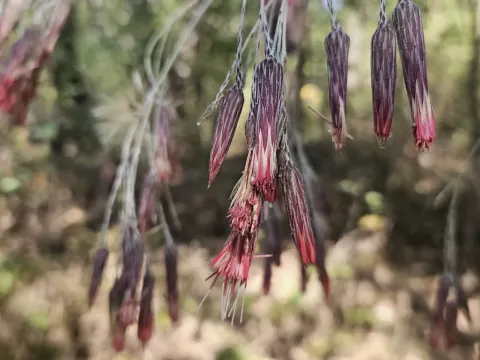
Onoseris
Onoseris
Onoseris species are primarily perennials, and their propagation usually involves seed sowing in controlled greenhouse conditions to ensure high germination rates.
What the section contains
Onoseris
Seeds should be sown in a sterile, well-draining potting mix during early spring, pressing them lightly into the surface as they typically require light for germination.
Maintaining a consistent temperature and high humidity is crucial during the initial seedling stage until the first true leaves appear.
Seedlings are then transplanted into larger containers to allow for root development, ensuring they are hardened off gradually before permanent outdoor planting.
Direct outdoor sowing is generally unsuccessful for most species, making the nursery-to-field transition the preferred agricultural approach for this crop.
Onoseris belongs to the Asteraceae family and is native to the Andean regions and various parts of South America, adapting it to specific climatic conditions.
The plant thrives in full sun exposure, requiring at least 6-8 hours of direct light daily to maintain its structural integrity and encourage regular blooming.
Well-drained soil is non-negotiable; sandy or loamy textures are preferred to prevent root rot, which is a major physiological challenge for this genus.
Regarding moisture, the plant exhibits moderate drought tolerance once established, but it requires regular watering during its peak growing season.
The soil pH should ideally range from slightly acidic to neutral to ensure the efficient uptake of essential soil nutrients needed for healthy vegetative growth.
The most significant threat to Onoseris cultivation is fungal root rot, which is almost exclusively caused by poor drainage or excessive irrigation practices.
Powdery mildew can frequently affect the foliage in enclosed or humid environments, leading to distorted leaves and reduced photosynthetic efficiency.
Spider mites represent the primary insect threat, particularly in dry and hot conditions, as they can rapidly colonize the undersides of the leaves.
Aphid infestations are also common, often leading to stunted growth of new shoots and the transmission of secondary viral pathogens throughout the plant population.
Integrated pest management, including monitoring and the use of targeted biological controls, is recommended to keep these threats below the economic threshold.