
African daisy
Dimorphotheca fruticosa (L.) DC.
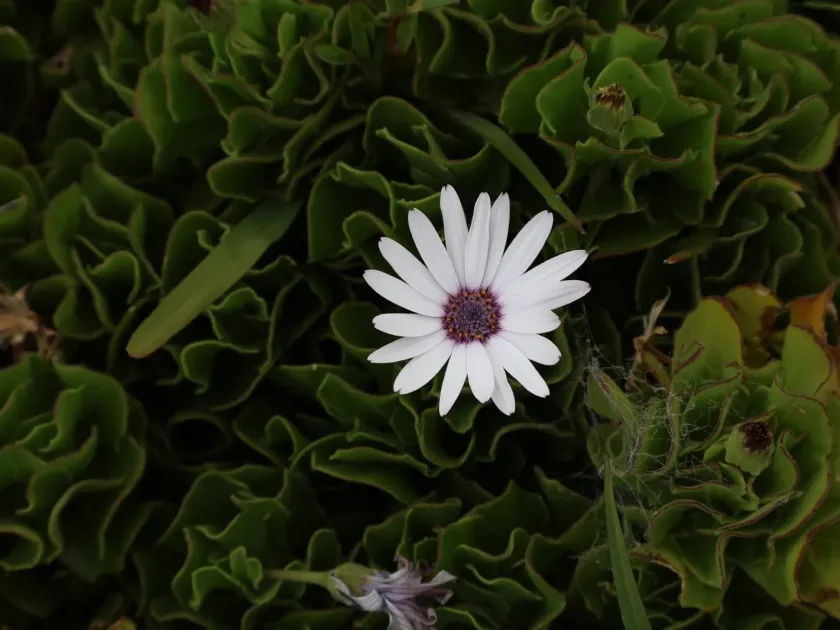
Description
Sowing dates
African daisy (lat. Dimorphotheca fruticosa) belongs to the Asteraceae family. It is a perennial evergreen plant, often cultivated as an annual or biennial depending on the climatic zone.
Propagation is typically done through seeds sown indoors in early spring. The seeds require well-drained, light potting soil to germinate effectively within the first two weeks.
Sowing depth should be minimal, usually covering seeds with a thin layer of fine soil or vermiculite. Maintaining an ambient temperature of 18-21 degrees Celsius is optimal for growth.
Seedlings should be moved to larger containers once they develop at least two sets of true leaves. Hardening off the plants before final transplanting into the garden is essential for survival.
Spacing between plants should be approximately 30-40 cm to allow for sufficient air circulation. This prevents overcrowding, which is a major contributor to plant health issues.
Growing requirements
This crop thrives in full sun exposure. It is highly adapted to bright light conditions, and insufficient sun will result in leggy plants with minimal flower production throughout the season.
The soil requirements focus on excellent drainage. Dimorphotheca fruticosa performs best in sandy or rocky soils, as it is naturally adapted to environments that do not retain excessive water.
Watering should be balanced. While the plant is drought-tolerant, it requires consistent moisture during the establishment phase and peak flowering periods to maintain its ornamental value.
Fertilization with a balanced, low-nitrogen liquid fertilizer is recommended during the growing season. This approach encourages bud formation rather than excessive foliage growth.
The plant performs exceptionally well in temperate climates but needs protection from hard frosts. In colder regions, many gardeners opt to grow it in containers to move indoors during winter.
Main diseases and pests
The main threat to this crop is root rot caused by waterlogged soil conditions. Proper irrigation management and soil structure are the primary defenses against these fungal issues.
Aphids are a common pest for African daisies, often attacking the tender buds and young stems. Infestations can spread quickly, particularly in warmer, protected garden environments.
Spider mites may occur during periods of prolonged hot and dry weather. Regular inspection of the foliage is necessary to detect early signs of spider mite webbing or leaf discoloration.
Fungal diseases like powdery mildew can appear when humidity is too high and airflow is poor. Improving spacing and removing dead plant debris helps mitigate this risk significantly.
Integrated pest management strategies, including the use of neem oil or targeted insecticides, can effectively control common threats without damaging the surrounding environment.