
Cape marigold
Dimorphotheca pluvialis (L.) Moench
Description
Sowing dates
Cape marigold, or Dimorphotheca pluvialis, is an annual herbaceous plant in the Asteraceae family. It is best sown directly into the garden in late spring when the risk of frost has passed, as the seeds require soil warmth to germinate efficiently.
Starting seeds indoors is a common practice for gardeners wanting earlier blooms. Sow the seeds in late March in a sunny spot, ensuring they are only lightly covered with soil, as they need light to germinate. Transplanting should be done carefully to avoid root damage.
When planting in the garden, ensure a spacing of 20 to 30 centimeters between plants. This distance allows for optimal airflow and development, preventing the plants from becoming overcrowded and prone to moisture-related diseases during humid periods.
Site selection is critical for success with this species. It is a true sun-lover, and it requires at least 6 to 8 hours of direct sunlight every day. Placing the plants in a shaded area will result in leggy growth and significantly fewer flowers.
Direct seeding in the soil should be done at a shallow depth of about 0.5 centimeters. Keep the area moist but not waterlogged during the germination stage, which typically takes about two weeks depending on the soil temperature.
Growing requirements
Native to the arid regions of South Africa, this plant is naturally adapted to dry, sunny conditions. It thrives in poor to moderately fertile, well-draining, sandy or loamy soils, which mimic its natural desert-like environment.
Excellent drainage is the most important factor for this plant's health. It is highly susceptible to root rot if left in standing water. In areas with heavy clay soils, incorporating organic matter and sharp sand is necessary to create the required porosity.
Fertilization should be kept to a minimum. Excess nitrogen will produce bushy green plants with very few blooms. A light application of a balanced or phosphorus-rich fertilizer in early summer is sufficient to support a prolonged flowering season.
The plant is heat-tolerant and thrives in warm climates. While it can handle brief periods of drought, it performs best when given consistent, light irrigation during the hottest parts of the summer to maintain its decorative quality.
The common name "rain daisy" refers to its habit of closing its petals in cloudy or rainy weather. This is an evolutionary mechanism to protect the pollen from moisture, and it serves as a reliable indicator of changing weather conditions in the garden.
Main diseases and pests
The primary threats to this plant are fungal pathogens, specifically gray mold (Botrytis cinerea), which develops in cool, damp conditions. Ensuring adequate spacing and avoiding overhead watering helps mitigate the risk of infection.
Powdery mildew can become an issue in late summer when humidity levels fluctuate. Regular inspection of the foliage is recommended, and the application of fungicides may be necessary if an outbreak occurs to prevent the loss of foliage.
Aphids and spider mites are the most frequent insect pests. They tend to infest the plant during prolonged dry spells. Controlling them early through natural predators or insecticidal soaps can prevent significant damage to the plant's buds.
Root rot is almost always a result of poor soil drainage or excessive watering. Once the roots are compromised, the plant cannot be saved, so prevention via soil preparation and proper watering techniques is the primary form of protection.
Maintaining a weed-free environment is essential, as weeds often act as vectors for viruses and pests that can attack the marigolds. Proper maintenance of the surrounding garden space is key to keeping the plants healthy throughout the season.
Harvesting
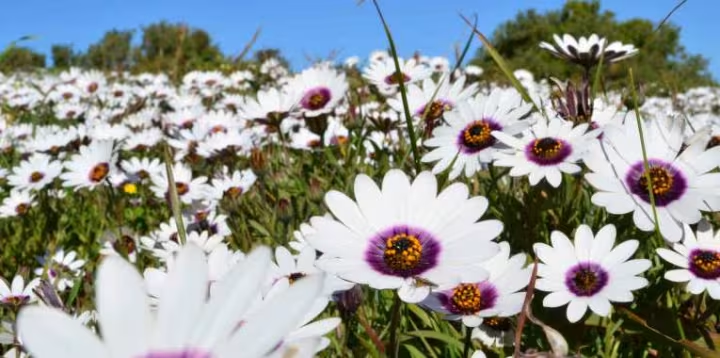
Cape marigold is primarily used as an ornamental plant in landscaping. Its vibrant white and purple flowers make it an excellent choice for border plantings, mass displays, and rock gardens where sunlight is abundant.
For gardeners saving their own seed, wait until the flower heads have turned brown and dried completely on the stem. Carefully remove the heads and place them in paper bags to finish drying before extracting the tiny, viable seeds.
While not typically used as a cut flower, they can be placed in vases for short-term indoor display. However, they will close their petals as soon as they are removed from direct sunlight, which limits their use in traditional floral arrangements.
Deadheading—the process of removing spent flowers—is a vital cultural practice for this plant. By cutting off old blooms before they form seeds, the gardener redirects the plant's energy into producing new flowers, extending the bloom time until autumn.
Once the growing season is over, the plants should be pulled and disposed of, as they are not frost-hardy and will not survive winter temperatures. They do not typically contribute to soil enrichment, so they should not be left to decompose in the flower beds.