
Dimorphotheca tragus
Dimorphotheca tragus (Aiton) DC.
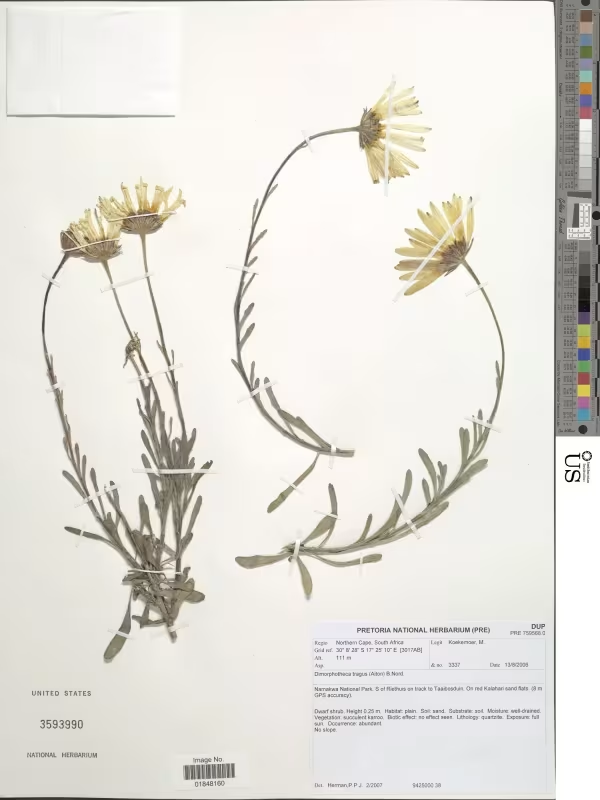
Description
Sowing dates
Dimorphotheca tragus is an herbaceous perennial belonging to the Asteraceae family, often treated as an annual in cooler climates. Seeds are typically sown indoors in late winter or early spring to ensure an early start for the growing season.
When sowing indoors, use a well-draining seed starting mix and cover the seeds lightly, as they require some light to germinate effectively. Maintain an ambient temperature of 18–20 degrees Celsius for optimal results.
Direct outdoor sowing is suitable for regions with long growing seasons, provided the risk of frost has completely passed. Soil should be prepared by loosening the top layer to allow for proper root penetration.
Seedlings should be spaced approximately 20–25 centimeters apart to allow for sufficient air circulation. Proper spacing prevents the stems from becoming leggy and promotes a more compact, floriferous growth habit.
Germination usually occurs within 10 to 14 days under favorable conditions. Once true leaves develop, thinning may be necessary if the plants were sown too densely in the nursery bed.
Growing requirements
This species is highly adapted to sunny, open environments and thrives under full sunlight. It is essential to select a site that receives at least 6–8 hours of direct sun daily to maintain vibrant blooming.
The plant performs best in sandy, light, and well-draining soil types. It is particularly sensitive to waterlogging, so soil amendments such as perlite or coarse sand are recommended for heavier clay-based soils.
Dimorphotheca tragus is known for its excellent drought tolerance once established. Deep, infrequent watering is preferable to light, daily sprinkling, as the latter can encourage shallow root growth.
Nutrient requirements are modest; the plant actually prefers relatively low-fertility soils. Excessive use of nitrogen-rich fertilizers can result in lush foliage growth at the expense of flower production.
In terms of climate, it prefers warm and dry conditions. While it can withstand periods of neglect, it will not tolerate high humidity combined with cold temperatures, which often lead to physiological decline.
Main diseases and pests
Root rot is the most common physiological disorder caused by excessive soil moisture and poor drainage. Ensuring that the soil remains well-aerated is the primary preventative measure for this condition.
Aphids are frequent pests that congregate on the tender stems and flower buds. Infestations can be managed through the application of insecticidal soaps or by encouraging beneficial predatory insects in the garden.
Powdery mildew may develop during periods of high humidity or poor air circulation. This fungal disease appears as a white, dusty layer on the leaves and can be mitigated by proper spacing and thinning.
Spider mites represent a threat in dry, hot conditions. Regular misting or the use of specific acaricides is effective if the pest population reaches a threshold that threatens plant health.
To maintain a healthy planting, sanitation is key. Removing dead plant matter at the end of the season prevents the overwintering of potential pests and pathogens that could affect future crops.