
Didelta spinosa
Didelta spinosa
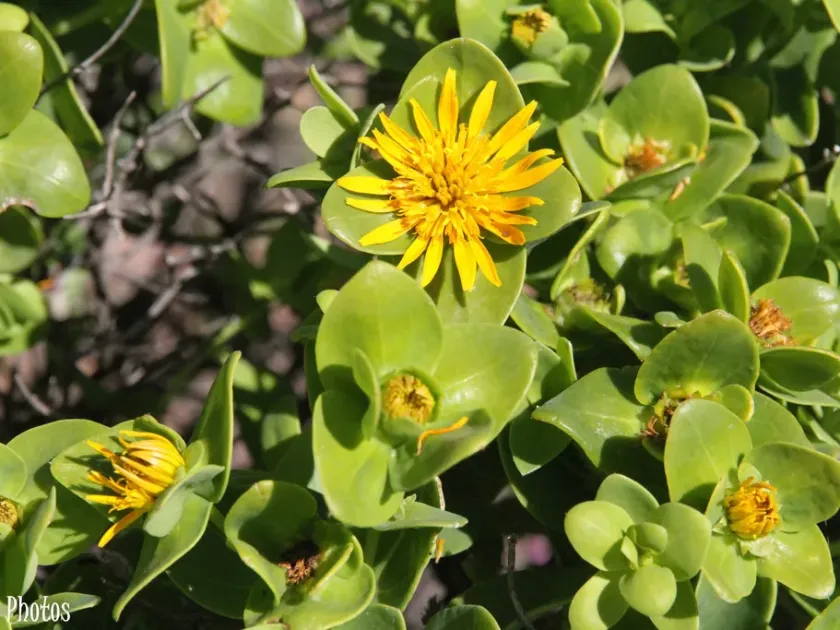
Description
Growing requirements
Didelta spinosa is a perennial shrub belonging to the Asteraceae family. Native to the arid regions of South Africa, it has evolved to thrive in rocky, desert-like environments, exhibiting remarkable resilience to low precipitation levels.
The botanical structure of the plant includes succulent foliage designed for moisture retention. This adaptation allows the species to maintain physiological processes during prolonged dry spells, which is a key trait for survival in its natural range.
For successful cultivation, the species requires sandy, well-draining soil with excellent aeration properties. Soil composition should mimic the nutrient-poor, rocky substrates of its natural habitat to prevent root rot and ensure proper gas exchange.
Climate requirements include high solar radiation and low relative humidity. Didelta spinosa prefers a Mediterranean-type climate where temperatures are consistently warm, avoiding frost-prone regions that could damage the vegetative structure.
Standard agrotechnical practices focus on strict water management. Minimal supplemental irrigation is required only during the spring growth flush, while the plant remains largely dormant and drought-dependent during the rest of the year.
Harvesting
The primary economic use of Didelta spinosa is as a hardy forage plant in semi-arid zones. It provides essential biomass for livestock grazing in environments where traditional fodder crops cannot survive due to the lack of infrastructure and water.
Harvesting strategies involve controlled pruning to prevent overgrazing and maintain plant health. Seed collection is carried out when the flowering heads dry out, providing a reliable source for propagation and further cultivation in restoration projects.