
Didelta carnosa
Didelta carnosa
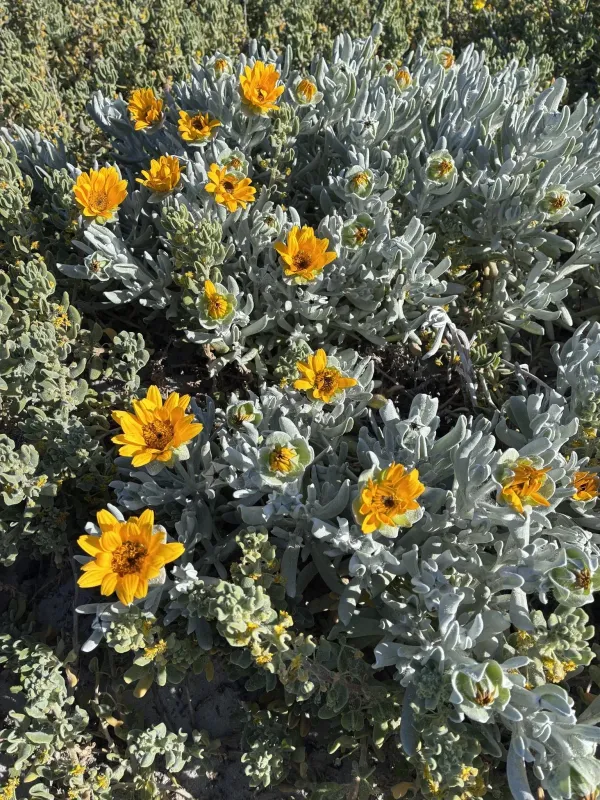
Description
Growing requirements
Didelta carnosa is a perennial subshrub belonging to the Asteraceae family. Native to the coastal regions of Southern Africa, this plant has adapted to harsh dune environments, exhibiting remarkable resilience to salinity and sand movement.
Botanically, the plant is characterized by its succulent, fleshy leaves that store moisture, enabling it to endure long periods of drought. The growth habit is typically spreading, which aids in stabilizing the sandy soil in its natural habitat.
To cultivate Didelta carnosa successfully, one must provide extremely well-drained, sandy soils. Poor drainage is the most significant limiting factor, as the roots are highly susceptible to decay in waterlogged conditions.
The plant thrives in full sun and moderate to warm temperatures. It is adapted to coastal conditions and is capable of withstanding salt-laden winds, making it an excellent candidate for coastal landscape stabilization projects.
In terms of agricultural and landscape utility, the species is primarily utilized for erosion control and as a drought-tolerant ornamental plant. It does not require intensive fertilization, as it is adapted to low-nutrient environments.
Main diseases and pests
The primary threats to Didelta carnosa are fungal infections, particularly root rot, caused by excessive soil moisture or poor aeration. Proper irrigation management is critical to maintain plant health throughout its life cycle.
Insects such as mealybugs or spider mites may pose a threat in enclosed or poorly ventilated growing environments. Monitoring the foliage and maintaining a dry microclimate are the most effective preventive measures.
Competition from fast-growing weeds can stifle the development of young plants. Establishing a clear buffer zone around the plant is recommended during the early stages of its growth.
Sensitivity to chemical fertilizers and pesticides is a notable characteristic, requiring cautious application if treatment becomes necessary. Organic, low-concentration solutions are generally preferred.
Environmental changes, such as rising sea levels or extreme flooding, pose significant risks to wild populations. Mitigation strategies involve preserving natural dune morphology and preventing over-disturbance of the soil.