
Dichrocephala auriculata
Dichrocephala auriculata
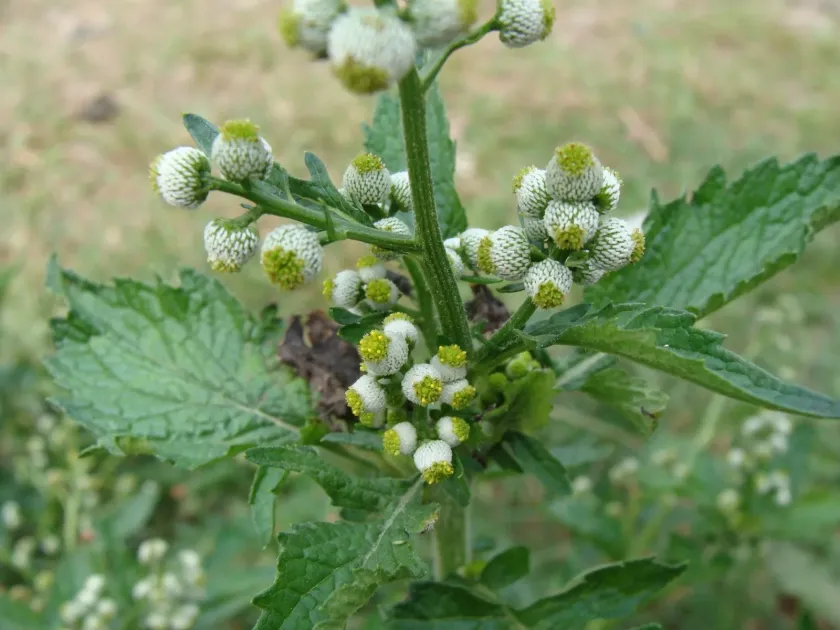
Description
Sowing dates
Dichrocephala auriculata, a member of the Asteraceae family, is typically propagated via seeds. Sowing should commence once the soil has warmed up, ensuring optimal conditions for germination and root development.
The seeds require a controlled environment during the early stages of growth, ideally with temperatures ranging from 20 to 25 degrees Celsius. Pre-treatment of seeds can significantly improve uniformity in emergence.
For commercial production, a nursery or greenhouse approach is recommended. This allows farmers to start the season early and ensure robust seedlings before transplanting them into the field.
Surface sowing with minimal soil coverage is standard, given the small size of the seeds. Providing a light, well-draining soil mix is essential to avoid damping-off diseases during the initial sprout period.
Consistent moisture is key; the soil must be kept damp but not waterlogged. Using fine mist irrigation helps prevent the displacement of delicate seeds while maintaining a stable growing environment.
Growing requirements
This crop thrives in open, sunny locations with good exposure. While it is adaptable, some protection from intense afternoon heat can prevent leaf wilting and maintain plant health during peak summer.
Soil quality is paramount; it should be rich in organic matter and possess an airy structure. Sandy loam soils with a neutral pH are often the most suitable for maximizing biomass yield.
Nutrient management involves regular nitrogen applications to boost vegetative growth. A balanced NPK fertilizer should be applied based on local soil tests to achieve the best results.
The climate requirement is strictly subtropical to tropical. The plant performs poorly in freezing conditions and requires protection from frost to avoid irreversible damage to the stems and leaves.
Proper spacing is necessary to allow for air circulation, which reduces the humidity around the foliage and prevents the development of mold or mildew in dense plantations.
Yield
Yield efficiency for Dichrocephala auriculata is closely linked to water management and soil fertility. With proper care, the plant can produce a high volume of leafy material suitable for extraction.
The optimal harvest timing is during the early flowering stage. At this point, the concentration of secondary metabolites, which are essential for its medicinal and industrial use, is at its peak.
Successive harvests are possible within a single growing season. The plant's ability to regenerate after being cut allows for efficient land use and increased seasonal productivity.
Maintaining a clean, weed-free environment is critical for yield. Competition from invasive flora can severely restrict the plant's growth and reduce the overall weight of the harvested biomass.
Careful handling post-harvest ensures that the quality of the raw material remains high, meeting the requirements of industrial buyers and pharmaceutical processors.
Main diseases and pests
Like many crops in the Asteraceae family, Dichrocephala auriculata is susceptible to fungal pathogens if exposed to excessive humidity. Powdery mildew is a frequent issue in poorly ventilated areas.
Insects such as aphids and spider mites can cause significant damage to young tissues. Integrated pest management strategies, focusing on biological controls, are preferred to maintain the organic integrity of the crop.
Weed control is essential, particularly in the first few weeks after sowing. Manual weeding or the use of light mechanical equipment is advised to avoid damaging the shallow root system of the crop.
Crop rotation protocols should be strictly followed to prevent the buildup of soil-borne pathogens. A gap of at least three years between planting on the same site is highly recommended.
Monitoring the health of the plants regularly allows for early detection of issues. Quick intervention with approved treatments can prevent localized problems from becoming field-wide disasters.
Harvesting
Harvesting is usually done by manual cutting or mechanical mowing. The plants should be cut at least 5-10 centimeters above the soil to encourage regrowth and preserve the root system.
Immediately after harvest, the biomass must be transported to a drying facility. Delaying this process leads to fermentation and degradation of active chemical components within the plant tissues.
Drying is performed in shaded, well-ventilated areas or in drying ovens kept below 40 degrees Celsius. This temperature limit is crucial to ensure that essential oils and alkaloids are not lost during processing.
Once dried, the crop is sorted and cleaned to remove dust, debris, and any unwanted foreign material. Quality control steps ensure the final product meets market specifications.
Storage of the finished product requires cool, dry conditions away from direct sunlight. Using moisture-resistant, breathable packaging materials helps maintain the shelf life and potency of the herb.