
Cyprian cotton thistle
Onopordum cyprium
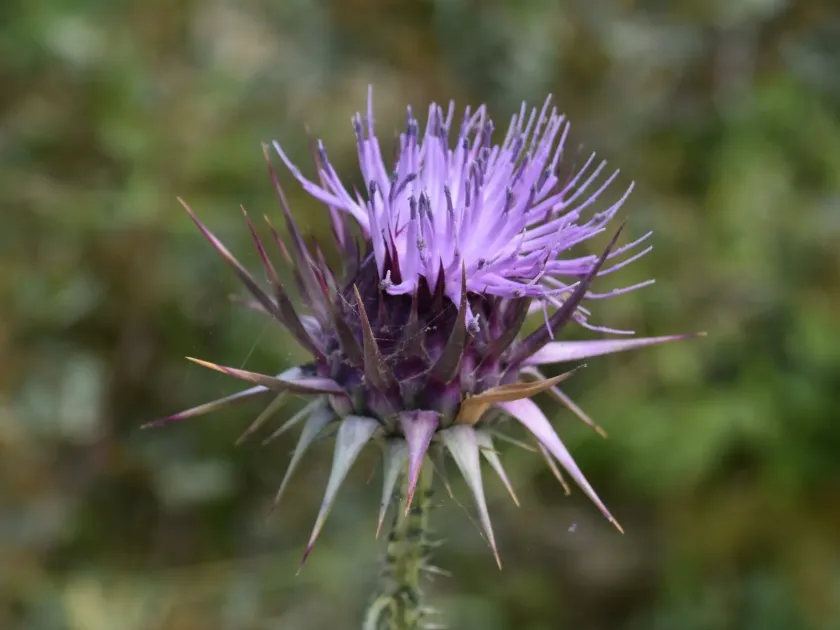
Description
Sowing dates
Cyprian cotton thistle (Onopordum cyprium) is a biennial plant belonging to the Asteraceae family, typically grown from seeds. The best time for sowing is early spring when the soil temperature consistently stays above 10 degrees Celsius.
Seeds should be sown at a depth of 1-2 centimeters in well-prepared, friable soil. Maintaining sufficient spacing is critical, as the plant develops a large, robust basal rosette in its first year, requiring significant room to spread.
Direct seeding in the field is the most common method, although container-grown seedlings can be used for controlled environments or shorter growing seasons. Proper seedbed preparation, including fine-tuning soil tilth, ensures high germination rates.
After emergence, thinning is necessary to ensure each individual plant has enough access to sunlight and nutrients. This spacing helps in preventing excessive humidity around the crown, which can lead to fungal issues.
Efficient crop management involves monitoring moisture levels during the germination phase to ensure even emergence. Once established, the plants show high vigor and quickly compete effectively against potential weed encroachment.
Growing requirements
Cyprian cotton thistle requires full sun exposure to thrive and develop its characteristic phytochemical profile. It is a highly photophilous species and should not be cultivated in shaded or partially shaded areas.
The species prefers well-drained, fertile soils with a neutral pH. While it is remarkably drought-tolerant once established, it performs best in soils with moderate moisture availability during its active growth phases.
The optimal temperature range for growth is between 20 and 25 degrees Celsius. The plant is hardy enough to withstand typical fluctuations in temperate climates, provided the soil drainage is sufficient to prevent winter damage.
Agrotechnical practices include periodic cultivation between rows to maintain soil aeration and suppress weed growth. Avoiding soil compaction is essential for the healthy development of the long taproot system.
Balanced fertilization, particularly focusing on phosphorus and potassium, encourages stronger structural development and better flower production. Nitrogen should be used carefully to avoid excessively succulent growth that might attract pests.
Yield
The economic yield of Cyprian cotton thistle is primarily focused on its aerial parts, including leaves and flowering heads used for medicinal and industrial purposes. Harvesting should be timed to match the peak concentration of active ingredients.
The harvest usually occurs during the mass flowering stage, typically in the second year of growth. It is important to harvest during dry, sunny conditions to ensure the quality of the raw botanical material and facilitate drying.
Yield potentials are substantial under intensive cultivation, with modern management allowing for consistent production per hectare. The crop is gaining attention for its potential as a sustainable source of medicinal plant extracts.
Post-harvest management requires rapid drying in well-ventilated, shaded facilities to preserve the plant's chemical integrity. Proper handling prevents mold development and ensures the final product meets market standards.
Seed production from the crop is also an important aspect, as the plant is a prolific producer of seeds. Harvesting and cleaning seeds properly ensures the sustainability of the planting stock for future seasons.
Main diseases and pests
Powdery mildew is the most common fungal threat, especially in seasons with high humidity and poor air circulation. Integrated pest management, including fungicide application, is used to protect the foliage during outbreak periods.
Root rot is a significant risk if the crop is grown on poorly drained soil or in areas prone to waterlogging. Careful site selection is the most effective preventative measure against this physiological and pathological disorder.
Pests such as aphids and specialized coleopterans can cause damage to the flower buds and tender leaves. Regular scouting and the use of targeted biological control agents or soft insecticides help maintain plant health.
Weed control is essential, particularly in the seedling stage, to prevent competition that could stunt growth. Mechanical weeding or the use of plastic mulch are common practices in commercial fields.
Maintaining strong plant health through proper nutrition and adequate spacing is the best defense against major diseases. Robust plants are significantly less susceptible to both minor infections and environmental stressors.