
Cymbonotus
Cymbonotus
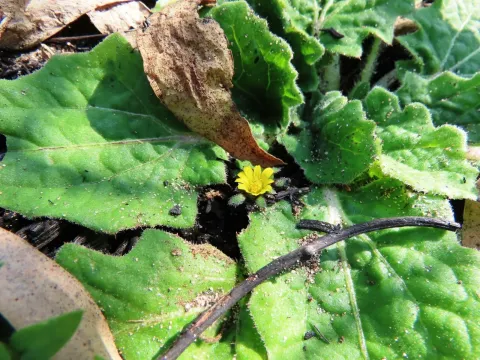
Cymbonotus is a genus of perennial herbaceous plants belonging to the Asteraceae family. These plants are recognized by their basal rosettes of leaves and yellow flower heads, sharing morphological similarities with other members of the tribe Cichorieae.
What the section contains

Cymbonotus
The genus is native to Australia, occurring in a variety of habitats ranging from temperate forest floors to open grassland regions. This geographical distribution highlights the plant's natural adaptation to shifting environmental conditions and specific soil profiles.
For successful cultivation, Cymbonotus requires well-draining soil with a neutral to slightly acidic pH balance. While the plant can tolerate short periods of dryness, it performs best when provided with consistent moisture levels during its primary growing season.
Light requirements are significant for this species; it thrives in full sun but can adjust to partial shade in hotter climates to prevent leaf desiccation. Proper spacing is essential to ensure that each plant receives adequate solar exposure for flower development.
Economically, Cymbonotus is primarily utilized in landscaping and restoration projects, particularly where native Australian vegetation is encouraged. Its structural integrity and distinct aesthetic make it a valuable component in ecological garden designs.
The primary threats to Cymbonotus are soil-borne pathogens and root rot, which typically occur in poorly drained or waterlogged soils. Excess moisture inhibits root respiration and creates an environment conducive to fungal proliferation.
Pests, particularly gastropods like slugs and snails, pose a significant risk to the plant's succulent foliage, especially in moist, shaded environments. In controlled environments, aphids and spider mites can also impact growth if left unmonitored.
Management of powdery mildew is crucial, especially in areas with stagnant air circulation. Pruning away damaged leaves and ensuring sufficient ventilation between plants are standard practices to maintain a healthy stand of this crop.
Weed competition is a limiting factor for seedling establishment. Removing invasive grass species and other vigorous weeds is necessary to ensure the young Cymbonotus rosettes receive enough nutrients and space to mature effectively.
Integrated pest management strategies are recommended to protect the crop. Regular site inspections help identify potential infestations at an early stage, allowing for manual removal or the application of selective biological controls.