
Cyrtocymura scorpioides
Cyrtocymura scorpioides
Description
Growing requirements
Cyrtocymura scorpioides is a perennial herbaceous plant belonging to the Asteraceae family. Native to the tropical regions of Central and South America, it is adapted to warm environments with high biological activity throughout the year.
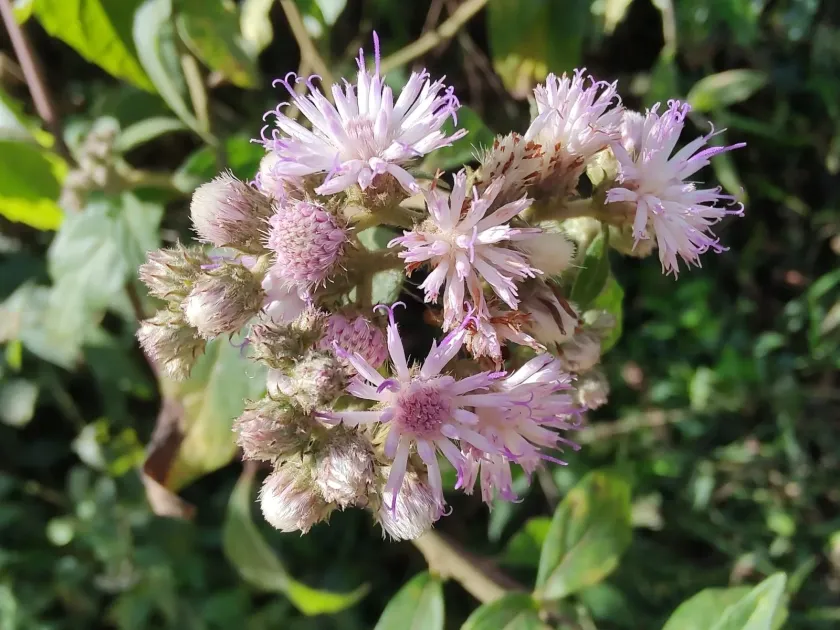
Botanically, the plant is distinguished by its upright structure and unique inflorescences. The flower heads are arranged in a way that curls significantly, resembling the tail of a scorpion, which serves as a key identifying trait.
The culture requires well-drained soil rich in organic matter. It thrives in locations with high sunlight exposure but needs protection from extreme heat stress or prolonged dry spells, which can affect its overall metabolic processes.
Temperature management is critical for successful production, as the species is sensitive to frost. An environment with consistent tropical conditions provides the best growth rate for biomass accumulation.
In agricultural practice, the species is valued for its potential in producing medicinal extracts. Various parts of the plant are studied for their chemical compounds, which have been historically utilized in traditional healing practices.
Main diseases and pests
Fungal pathogens represent the primary threat to this crop, particularly in high-humidity conditions. Root rot is a common issue if soil aeration is not properly managed during the cultivation process.
Pests such as spider mites and aphids are frequently encountered during the growing season. Early detection and integrated pest management strategies are essential to maintain the health of the plants and ensure a consistent yield.