
Cynara tournefortii
Cynara tournefortii
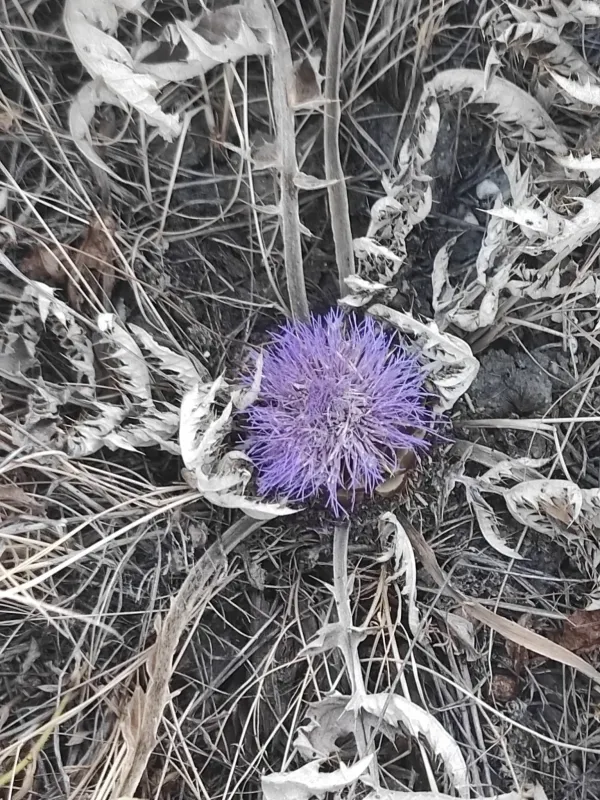
Description
Sowing dates
Cynara tournefortii is a perennial plant species belonging to the Asteraceae family, valued for its unique botanical characteristics and adaptation to Mediterranean climates.
Sowing should be performed in early spring once the soil temperature is consistently above 15 degrees Celsius to ensure rapid and uniform seed germination.
In regions with shorter growing seasons, starting seeds in controlled greenhouse environments is highly recommended to establish strong seedlings before transplanting.
Proper spacing is essential for this plant, as individual specimens require significant space for their large leaf rosettes to develop without competition.
Seed stratification may be required to break dormancy, ensuring a higher percentage of viability and better synchronization of the germination process.
Growing requirements
This crop thrives in well-drained, fertile soil. It is particularly sensitive to waterlogging, which can lead to root rot and irreversible damage to the plant.
Full sun exposure is a mandatory requirement. Even partial shade can cause the plant to become spindly and reduce the overall quality of the harvest.
Moderate drought tolerance is a trait of this species, although supplemental irrigation during the peak budding stage is necessary for optimal development.
Soil pH levels should ideally be maintained between 6.5 and 7.5 to ensure maximum availability of essential nutrients required for vigorous vegetative growth.
- Maximum solar radiation exposure
- High levels of soil porosity
- Balanced application of potassium-based fertilizers
Main diseases and pests
Common phytopathological issues include fungal infections that manifest in damp or overly humid conditions, requiring strict ventilation protocols.
Aphid infestations represent the most significant pest risk, as they tend to congregate on the succulent parts of the plant and can cause stunted growth.
Integrated pest management strategies are advised, focusing on biological controls and manual monitoring to keep pest populations below economic thresholds.
Root-feeding larvae can pose a hidden threat, requiring soil sanitation and crop rotation to prevent the buildup of soil-borne pests in the field.
Maintaining clear field borders and removing surrounding host weeds helps significantly in minimizing the transfer of secondary pests to the crop.