
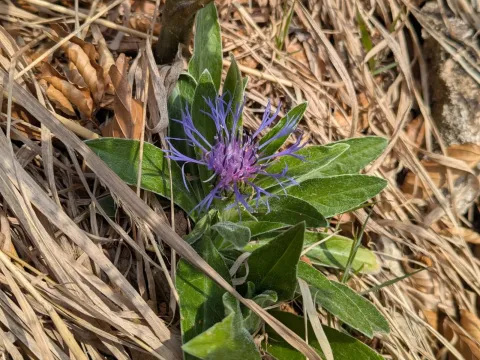
Mountain cornflower
Cyanus montanus
Mountain cornflower is a resilient perennial herbaceous plant belonging to the Asteraceae family, valued for its hardiness and ornamental properties.
What the section contains
Mountain cornflower
Seeds can be sown directly into the soil in late autumn for natural stratification or in early spring once the ground is workable after the frost.
For more predictable results in an agricultural setting, vegetative propagation via division of established clumps is highly recommended during spring or autumn.
When dividing, it is essential to ensure that each root section has healthy growing buds to promote vigorous growth in the following season.
Spacing between plants should be approximately 40 to 50 centimeters to prevent overcrowding and to ensure sufficient nutrient uptake from the soil.
This crop thrives in sunny locations but can tolerate partial shade, making it adaptable to various site conditions within the landscape or garden.
It prefers well-drained, fertile soil with a neutral to slightly alkaline pH, avoiding heavy clay soils that retain excessive moisture during the rainy season.
The plant is remarkably winter-hardy and requires no special protection, as it is naturally adapted to cooler mountain-like climatic conditions.
Regular but moderate watering is necessary during the active growing phase, particularly during dry spells to maintain consistent leaf development.
Maintaining clean soil by weeding and avoiding deep cultivation near the roots helps the plant establish a strong root system quickly.
Fungal issues, such as powdery mildew, represent the most common threat to the health of the mountain cornflower, especially in poorly ventilated sites.
Insect pests, including aphids and spider mites, may colonize the foliage during hot, dry periods, potentially weakening the plant's structural integrity.
Integrated pest management strategies, including the use of targeted sprays and biological controls, are effective ways to manage these common pressures.
Good cultural practices, such as clearing debris and managing irrigation effectively, are the first line of defense against many common pathogens.
Monitoring for signs of pest damage or fungal spots should be performed regularly throughout the season to ensure timely intervention and plant health.