
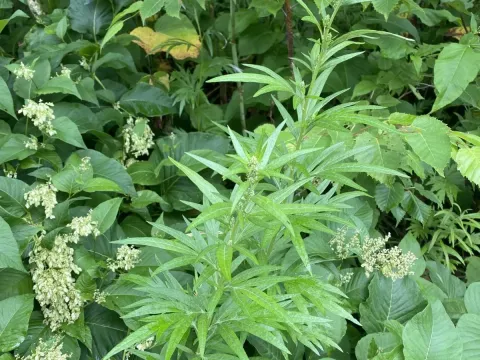
Mountain wormwood
Artemisia montana
Mountain wormwood (Artemisia montana) is a perennial plant belonging to the Asteraceae family, valued for its medicinal properties and hardiness in various climates.
What the section contains
Mountain wormwood
The optimal time for sowing is during the spring season once the frost danger has passed and the soil has sufficiently warmed up to promote rapid germination.
Seeds should be sown in rows, typically spaced 40 to 50 centimeters apart, allowing enough room for the plants to develop into mature, healthy shrubs over the growing season.
Since the seeds are quite small, they require a shallow planting depth, ideally covered with a thin layer of soil to remain stable while receiving enough light to trigger growth.
Consistent soil moisture is crucial during the germination phase, although once established, the plants require significantly less water and can thrive in drier conditions.
Mountain wormwood thrives best in well-drained, sandy or loamy soils that provide excellent aeration and prevent moisture stagnation around the root system.
The plant requires full sun exposure to reach its full potential, as this is essential for the production of high-quality essential oils within its fragrant foliage.
It is remarkably tolerant of poor soil conditions and can adapt to neutral or slightly alkaline environments, making it suitable for areas with marginal land quality.
Proper spacing is necessary to facilitate airflow between plants, which is a key requirement for maintaining plant health and preventing the onset of common fungal diseases.
Fertilizer application should be minimal, as mountain wormwood naturally prefers low-nutrient conditions and excessive fertilization can result in weak, floppy stems.
The yield of mountain wormwood is primarily determined by the age of the crop, with the highest productivity typically observed from the second year onwards.
Effective management practices, such as proper pruning after the harvest, significantly encourage secondary growth and extend the productive life of the plantation.
Yield estimation depends on the density of the planting, as well as environmental factors such as sunlight intensity and the duration of the growing season in the specific region.
Regular maintenance of the rows and the removal of weeds ensure that the plants focus their energy on biomass production rather than competing for vital nutrients.
To maximize the harvest quality, growers must monitor the flowering cycle closely and plan the cutting schedule to ensure the active compounds are at their peak level.
The primary threats to mountain wormwood cultivation include root rot caused by poor soil drainage and powdery mildew which thrives in humid, stagnant air conditions.
Pests like aphids and spider mites can occasionally cause damage to the tender parts of the foliage, particularly during dry spells when plants are under temporary stress.
Integrated pest management strategies, such as biological control agents and crop rotation, are recommended to maintain a healthy plantation without relying on heavy chemicals.
Maintaining adequate space between plants is the most effective preventative measure against disease spreading, as it ensures that foliage stays dry after rain or irrigation.
Early identification of pest populations through scouting allows for localized treatment, protecting the rest of the crop and ensuring a uniform harvest quality.
Harvesting mountain wormwood is usually performed during the flowering stage, which is when the plant's essential oil content and therapeutic efficacy are at their peak.
The harvesting process involves cutting the stems at a specific height above the ground to allow for plant recovery and potential regrowth for future harvesting seasons.
Post-harvest handling is critical, as immediate drying in a shaded, well-ventilated environment is necessary to prevent fermentation and the loss of aromatic compounds.
Once dried, the plant material must be cleaned of any debris or contaminants to meet the strict quality standards required for medicinal and pharmaceutical uses.
Storage of the processed herb should take place in airtight containers or moisture-proof packaging in a cool, dark place to maintain the integrity of its volatile oils for as long as possible.