
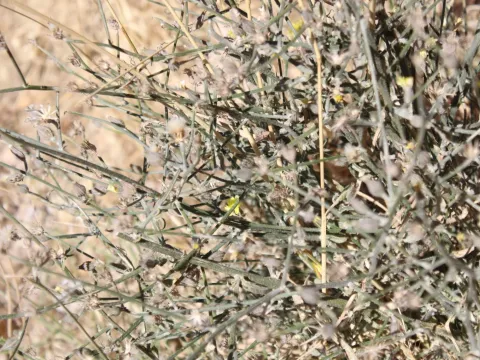
Crepis robertioides
Crepis robertioides
Crepis robertioides is a perennial herbaceous plant belonging to the Asteraceae family. It is characterized by a basal rosette of deeply lobed leaves and an erect, branched stem that carries numerous flower heads.
What the section contains
Crepis robertioides
The plant thrives in temperate climates and is typically found in open meadows, pastures, and disturbed land areas. It prefers well-drained soils with a moderate level of fertility, demonstrating high tolerance for various soil pH levels.
Regarding agricultural practices, Crepis robertioides is rarely cultivated as a commercial crop. It is generally recognized as a ruderal species that can interfere with pasture productivity and the growth of forage legumes.
Its environmental requirements focus on sufficient sunlight and moderate moisture. While it is hardy, the plant does not perform well in waterlogged soil conditions, which limits its spread in certain low-lying agricultural zones.
Botanically, it reproduces primarily through wind-dispersed seeds equipped with a pappus, which allows the plant to colonize new territories efficiently after soil disturbance or improper field management.
Like many species in the Asteraceae family, Crepis robertioides is susceptible to powdery mildew, especially when environmental conditions include high humidity and low airflow within dense plant stands.
Aphid infestations are a common pest issue, as these insects feed on the sap of young stems and developing flower buds, weakening the plant's overall vigor during the peak growing season.
Soil-dwelling larvae of certain beetles can damage the taproot, which is particularly detrimental if the plant is growing in consolidated or compacted soils where drainage is suboptimal.
Management of the species is primarily focused on mechanical weeding, such as tilling or mowing, to prevent the maturation and dispersal of seeds during the flowering cycle.
Chemical control programs in fields often utilize broad-spectrum herbicides targeting dicotyledonous weeds to prevent the establishment of Crepis populations in competitive agricultural environments.