
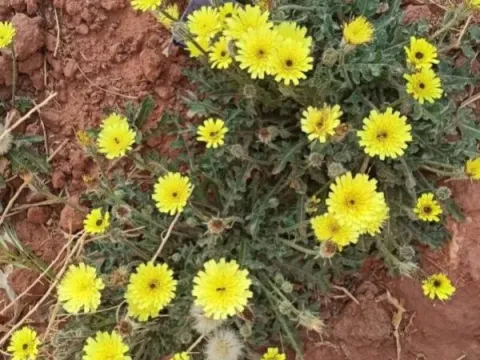
Crepis senecioides
Crepis senecioides
Crepis senecioides is a member of the Asteraceae family, often recognized for its adaptability to various soil types. In an agricultural context, its cultivation requires attention to specific seedbed preparation to ensure uniform establishment.
What the section contains
Crepis senecioides
Sowing should ideally take place in early spring when soil temperatures reach stable, warmer levels. Proper timing is crucial to avoid late-season frosts that may damage the emerging seedlings.
Planting depth should be shallow, typically 1 to 2 centimeters, given the small size of the seeds. This depth ensures that the seedling can reach the surface quickly using its internal energy reserves.
Row spacing is generally maintained at 15 to 20 centimeters to balance individual plant competition with the need for efficient land coverage and yield optimization.
- Ensure seeds are free from impurities before sowing.
- Use certified seeds to guarantee higher germination rates.
- Monitor soil moisture levels daily after seeding.
This species thrives in well-drained, fertile soils with a neutral pH. While it is quite hardy, it shows a clear preference for sunny locations where it can maximize its photosynthetic efficiency.
Water requirements are moderate, but the plant displays significant drought tolerance once its root system is fully established. It is an ideal candidate for regions with variable rainfall patterns.
Nutrient management should focus on balanced NPK ratios, with specific attention to potassium, which enhances the plant's overall stress resistance and structural integrity.
Regular cultivation of the soil between rows prevents soil compaction and ensures that oxygen reaches the root zone, promoting faster maturation and better plant health.
Temperature fluctuations are usually well-tolerated, provided the plants are not exposed to extreme waterlogging or extended periods of anaerobic soil conditions.
The primary fungal threats to Crepis senecioides involve rust and powdery mildew, which can significantly reduce the photosynthetic area if left unmanaged during high humidity seasons.
Insects such as aphids are common pests that feed on young foliage. Integrated pest management strategies, including the introduction of natural predators, are highly effective.
Competitive weeds are a persistent threat. Implementing a solid crop rotation plan and timely mechanical weeding can prevent major infestations that would otherwise steal resources from the crop.
Root rot pathogens may emerge in areas with poor drainage. Selecting site locations with adequate slope and soil permeability is the best preventative measure against these infections.
Monitoring for signs of early chlorosis or wilting is essential, as these symptoms can indicate either nutrient deficiencies or the presence of soil-borne pathogens requiring immediate intervention.