
Green and gold
Chrysogonum virginianum L.
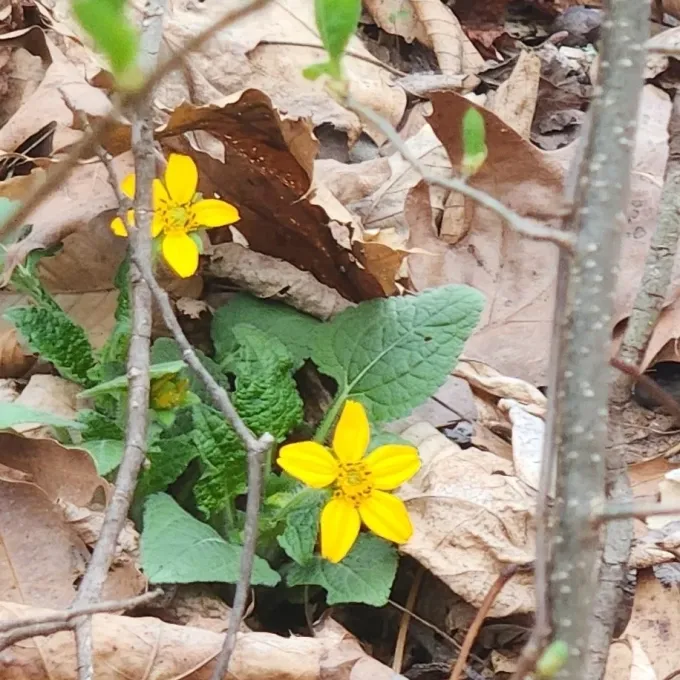
Description
Sowing dates
Sowing seeds of Chrysogonum virginianum is best performed in the autumn to allow for natural cold stratification during the winter months. Alternatively, spring sowing in trays can be done if seeds have been pre-chilled in a refrigerator for several weeks.
Vegetative propagation via division is the preferred method for nurseries. Dividing the root clumps in early spring ensures vigorous growth and establishment, allowing plants to spread rapidly across the landscape as effective groundcover.
When planting, provide a spacing of 10 to 12 inches between individual plants. This density encourages the formation of a lush, uniform mat that helps suppress invasive weeds and reduces the need for manual weeding in the future.
The soil should be amended with organic compost before planting to ensure proper moisture retention and nutrient availability. A loose, loamy soil structure is ideal for promoting healthy root expansion and overall plant vigor.
Newly installed plants must be monitored and watered consistently until they establish a robust root system. Once settled, the plant shows moderate tolerance to environmental stresses, though supplemental water is still beneficial during prolonged dry spells.
Growing requirements
This species belongs to the Asteraceae family and is native to the woodland regions of North America. It thrives in partially shaded environments, mimicking its natural habitat where dappled light prevents the foliage from scorching during intense midday heat.
It prefers moist, well-drained, and slightly acidic soil rich in organic matter. While it can adapt to various conditions, poor drainage remains the most significant obstacle to success, often leading to crown rot if water persists around the base.
Green and gold is winter-hardy and generally survives in temperate regions with minimal protection. In areas with very harsh, open winters, a light layer of mulch can help protect the roots and maintain soil moisture levels during freeze-thaw cycles.
Maintenance includes deadheading spent flowers to encourage a second flush of blooms later in the season. Keeping the plants tidy by removing damaged or dry foliage also contributes to the longevity and aesthetic appeal of the groundcover.
Fertilizing is generally kept to a minimum; a single application of a balanced slow-release fertilizer in early spring is usually sufficient to support active growth and the development of its signature bright yellow, star-shaped flowers.
Main diseases and pests
Chrysogonum virginianum is highly resistant to major pests and diseases. However, high humidity and poor air circulation can occasionally lead to powdery mildew, especially if the foliage remains wet for extended periods during the night.
Slugs and snails may occasionally graze on the succulent foliage during moist spring conditions. Using copper barriers or simple physical removal techniques is typically sufficient to mitigate any damage without resorting to chemical interventions.
Root rot is the primary physiological threat, usually caused by over-irrigation or site selection in heavy, waterlogged clay soils. Ensuring proper drainage is the most effective preventative measure against these conditions.
Occasional infestations of aphids may occur during hot, dry weather. If necessary, a gentle stream of water or insecticidal soap can be used to treat the affected areas while minimizing impact on local pollinator populations.
General garden hygiene, such as removing fallen debris from around the base of the plants, is vital to maintaining a healthy environment and preventing the spread of latent fungal pathogens throughout the planting bed.