
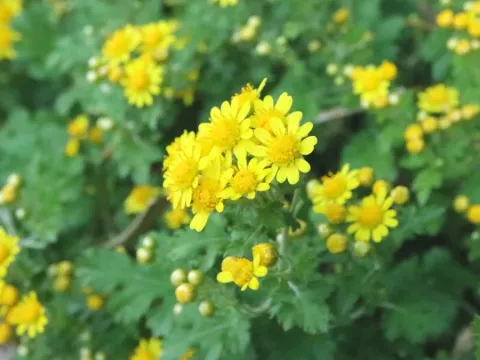
Chrysanthemum okiense
Chrysanthemum okiense
Chrysanthemum okiense, a member of the Asteraceae family, is a perennial plant that requires precise timing for propagation. Seed sowing is typically performed in early spring when the soil temperature consistently reaches 15-18 degrees Celsius.
What the section contains
Chrysanthemum okiense
Starting seeds in a controlled greenhouse environment during March allows for the development of a robust root system before the plants are transplanted into the open ground. A well-draining, lightweight substrate is essential for success.
Vegetative propagation, such as division of established clumps, is highly effective and is best performed during the dormant season or early autumn. This method ensures the preservation of the plant's specific traits.
When sowing, seeds should be surface-sown or barely covered with a light layer of soil, as they require light to germinate efficiently. Keeping the medium consistently moist but not saturated is critical at this stage.
Once seedlings emerge, they should be gradually acclimated to environmental conditions, ensuring they receive bright, indirect light to prevent the stems from becoming thin or weak.
This species thrives in locations with high levels of sunlight, which is necessary for vigorous growth and healthy flower formation. Sites exposed to full sun are preferred, provided they are sheltered from strong winds.
Soil requirements focus on neutral to slightly acidic pH levels, combined with high organic matter content and excellent drainage. Improving soil texture with sand or fine gravel is beneficial if the local soil is heavy clay.
Climatic conditions for Chrysanthemum okiense should ideally mimic coastal environments, characterized by stable, moderate temperatures. Protection from extreme heat and severe frost is necessary in non-native climates.
Effective agrotechnics involve balanced fertilization throughout the growing season. A diet rich in phosphorus and potassium promotes strong stem structure and enhances the aesthetic value of the blooms.
Winter maintenance is crucial, especially in regions with sub-zero temperatures. Mulching or moving containers to a cool, frost-free greenhouse is recommended to ensure the survival of the rhizomes until spring.
The most common plant health issues for this species include powdery mildew and various leaf spot fungi, which thrive in conditions of high humidity and poor airflow. Managing spacing is essential for prevention.
Pests such as aphids and spider mites are frequent invaders, particularly during warm and dry spells. Regular inspection of the underside of leaves allows for early detection and control using soft insecticidal soaps or neem oil.
Root rot is typically associated with waterlogged soils or poor container drainage. Ensuring the substrate remains porous is the best defense against soil-borne pathogens and fungal infections.
Nematode infestations can also affect the root system, emphasizing the importance of using certified, disease-free starting materials and practicing crop rotation to prevent soil contamination.
Overall, a rigorous sanitation program, including the removal of dead foliage and cleaning of gardening equipment, significantly reduces the pressure from pests and pathogens throughout the year.