
Chrysanthemum ornatum
Chrysanthemum ornatum
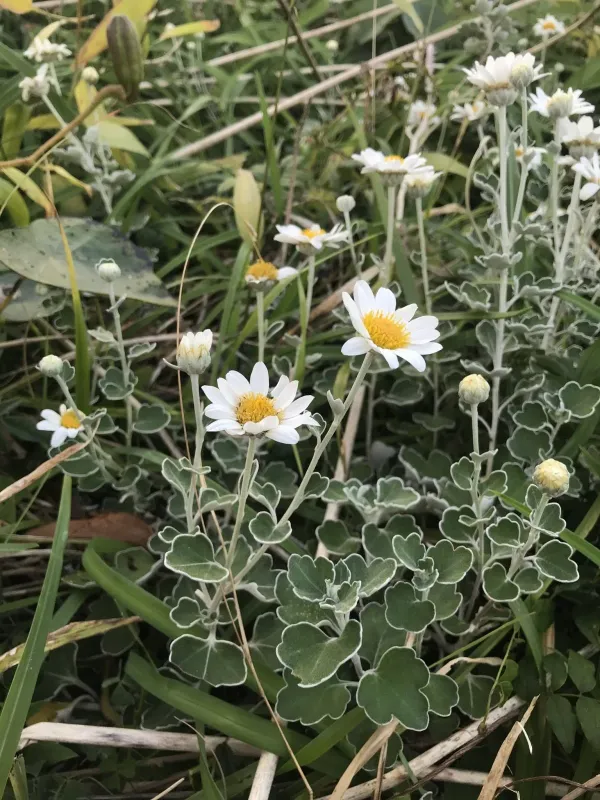
Description
Sowing dates
Chrysanthemum ornatum, a member of the Asteraceae family, is commonly propagated by seeds or division. Sowing seeds indoors in early spring, specifically during March, ensures a head start before the summer bloom period.
When sowing directly into the ground, it is crucial to wait until the soil reaches at least 15 degrees Celsius. These seeds require light to germinate, so covering them with a very thin layer of substrate is recommended.
Seedlings need to be kept in a well-lit environment to prevent legginess. Once they develop several true leaves, they can be hardened off gradually to withstand outdoor conditions before final transplanting.
Spacing is essential for the healthy development of this species. Plants should be placed approximately 30 to 40 centimeters apart to ensure adequate airflow and reduce the risk of humidity-related foliage diseases.
In regions with mild climates, late autumn sowing can also be considered, though protective measures against freezing temperatures are necessary for young shoots.
Growing requirements
This species thrives in full sun exposure. While it may tolerate partial shade, insufficient light typically leads to weaker stems and fewer, smaller flower heads during the blooming season.
Soil requirements include excellent drainage and high fertility. The addition of compost or well-rotted organic matter helps improve the soil structure, especially in clay-heavy environments.
Regular watering is required to keep the soil consistently moist but never waterlogged. Overwatering can lead to root rot, especially during cooler nights when evaporation rates are significantly lower.
Balanced fertilization throughout the growth cycle is vital. An initial nitrogen-based boost supports green growth, while a shift to phosphorus and potassium promotes vibrant and dense floral displays.
The ideal temperature for active growth ranges between 18 and 25 degrees Celsius. Providing a wind-sheltered location is beneficial for maintaining the structural integrity of the stems.
Main diseases and pests
Aphids are the most common pests, often clustering on young buds and succulent stems. Regular monitoring and the application of insecticidal soaps or neem oil can help manage infestations effectively.
Powdery mildew is a common fungal issue that appears as a white, dusty layer on leaves, primarily in conditions of poor air circulation and high humidity. Thinning out plants helps improve ventilation.
Spider mites may damage the foliage during hot, dry spells. Keeping the humidity levels stable and occasionally misting the surrounding air can help discourage these pests from settling on the plant.
Verticillium wilt is a more serious concern that affects the vascular system of the plant. Infected plants should be removed immediately and discarded to prevent the pathogen from spreading through the soil.
To ensure plant health, maintain a clean growing environment by removing dead foliage and practicing regular sterilization of pruning tools to prevent cross-contamination.
Harvesting
For ornamental or cut flower use, stems should be cut in the early morning. This timing ensures maximum water uptake, which significantly prolongs the vase life of the cut flowers.
Deadheading spent blooms throughout the growing season encourages the plant to direct its energy towards producing new, secondary flower buds, thus extending the overall period of beauty.
Seed harvesting should occur only after the flower heads have fully dried on the stem. Once collected, seeds should be stored in a cool, dark, and dry environment to maintain their viability.
Before winter, the foliage should be cut back, leaving only a short base of a few centimeters. This practice promotes dormancy and protects the root system from excessive moisture damage.
Beyond gardening, this species is valued for its hardiness and versatility in decorative compositions, making it a preferred choice for floral designers and landscape architects.