
Chrysanthemum zawadzkii
Chrysanthemum zawadzkii
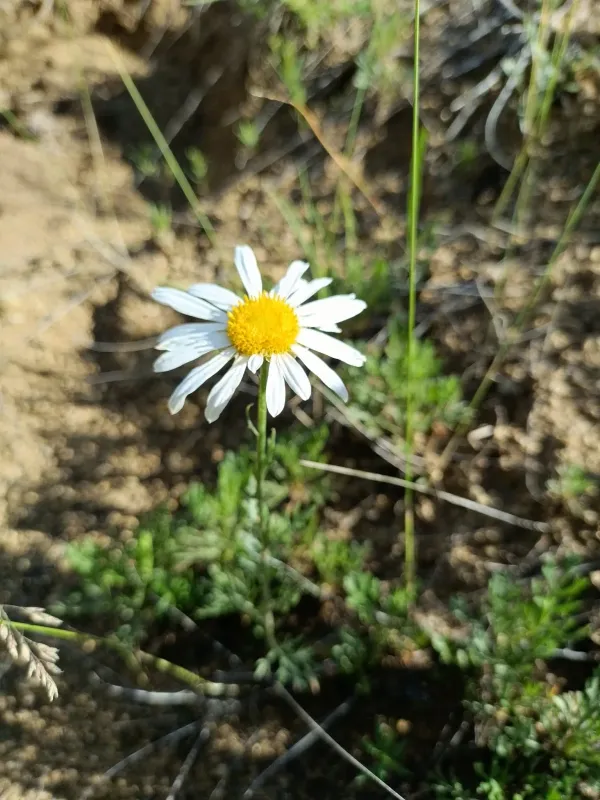
Description
Growing requirements
Chrysanthemum zawadzkii is a perennial herbaceous plant belonging to the Asteraceae family. It is a hardy, resilient species originating from the mountainous regions and steppes of Eastern Asia and parts of Europe, well-regarded for its adaptability.
This plant thrives in full sun exposure, which is essential for healthy foliage development and prolific flowering. It is well-suited for temperate climates, exhibiting high frost tolerance during winter dormancy.
Regarding soil requirements, the plant prefers well-drained, fertile, and moderately moist substrates. It avoids waterlogged conditions, which can lead to root rot; therefore, providing good soil drainage is a critical prerequisite for successful cultivation.
Agricultural management involves regular weeding and soil aeration, especially during the early growth phases. While the species is relatively drought-tolerant once established, supplemental irrigation during extreme heatwaves can improve plant vigor.
Fertilization with a balanced NPK ratio during the vegetative growth phase supports strong stems and robust blooms. Proper spacing is necessary to ensure adequate airflow, which prevents the development of fungal infections within the plant canopy.
Main diseases and pests
Fungal diseases, specifically powdery mildew and gray mold (Botrytis), represent the primary threats to the health of the crop. These pathogens typically emerge in humid environments with restricted air circulation.
Insect pests, including aphids and spider mites, are common nuisances that target the sap of the plant. Integrated pest management (IPM) practices, such as biological control and timely application of soft chemicals, are recommended to maintain plant health.
Sanitation practices, including the removal and destruction of fallen leaves and infected debris at the end of the season, are vital. This reduces the primary inoculum for fungal spores and overwintering sites for insects.
The use of certified, disease-free planting material is the first step in avoiding systemic viral infections. Regular field monitoring allows for early detection of stress, enabling a rapid response to mitigate potential damage.
Proper plant nutrition and avoidance of excessive nitrogen applications help maintain the natural resistance of the plant to common environmental stressors and opportunistic pathogens.