
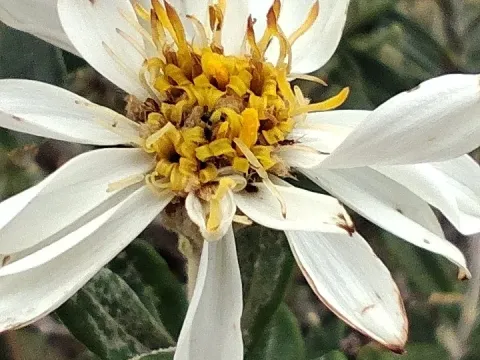
Chiliotrichum
Chiliotrichum
Chiliotrichum is a genus of evergreen shrubs belonging to the Asteraceae family. Native to the southern regions of South America, specifically Patagonia, these plants have evolved to thrive in harsh, wind-swept environments, making them highly resilient botanical specimens.
What the section contains
Chiliotrichum
Successful cultivation of this species requires well-drained, sandy, or rocky soils with a slightly acidic profile. The plant is remarkably resistant to high winds, which makes it an excellent choice for windbreak landscaping in coastal or exposed climatic zones.
The ideal climate for Chiliotrichum consists of moderately cool summers and consistent air humidity. It is highly sensitive to waterlogged conditions; therefore, incorporating a robust drainage system at the planting site is essential to prevent root decay and ensure long-term health.
Sunlight exposure is a critical factor for this shrub. It requires full sun throughout the day to support vigorous growth and profuse flowering. Insufficient light often results in leggy branches and a significant reduction in the plant's overall density and aesthetic appeal.
Standard horticultural practices include pruning after the flowering season. This helps maintain a compact, rounded crown shape and encourages the development of healthy new growth, ensuring the plant remains vibrant throughout the growing season.
The primary threat to Chiliotrichum is the development of fungal pathogens, particularly in poorly drained environments. Root rot poses a significant risk, necessitating strict adherence to irrigation schedules to maintain adequate but not excessive moisture levels.
In sheltered or indoor conditions, plants are susceptible to common pests such as aphids and spider mites. These insects feed on the sap of tender new shoots, weakening the plant and potentially leading to stunted development if left untreated.
Effective pest management involves the use of targeted insecticides or biological control agents. Early detection is paramount; gardeners should routinely inspect the foliage and branch structure to catch infestations before they spread across the shrub.
Soil-borne nematodes can also jeopardize the root system. To minimize this risk, ensure that the substrate is sanitized prior to planting and maintain a balanced soil health program to promote strong root development.
Protection against extreme winter temperatures is advised for non-native regions. Applying organic mulch around the base and utilizing protective covers can safeguard the root zone and stems from freezing damage.