
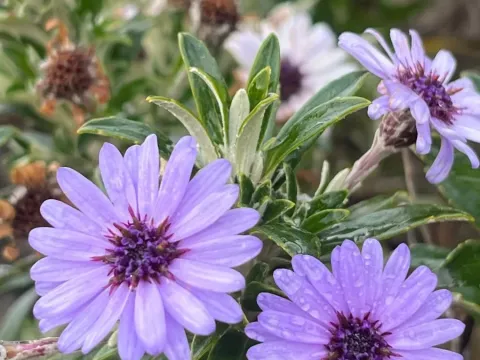
Chatham Island daisy
Olearia semidentata
Olearia semidentata, commonly known as the Chatham Island daisy, belongs to the Asteraceae family. In agricultural and ornamental practice, this evergreen shrub is typically propagated through seeds or semi-hardwood cuttings.
What the section contains
Chatham Island daisy
Seed sowing is best conducted in late winter or early spring within a controlled greenhouse environment. Providing a sterile, well-draining seed-starting mix is essential to prevent fungal issues during the early germination stage.
Propagation by cuttings is the preferred method for maintaining genetic uniformity. Cuttings should be taken during the summer months, treated with rooting hormone, and placed in a humid environment to facilitate rapid root development.
Maintaining a stable temperature of 16–20 degrees Celsius is crucial for consistent success. Providing bottom heat can further enhance the rooting percentage of cuttings, leading to stronger, more resilient young plants.
Once seedlings have developed several sets of true leaves, they should be transplanted into individual pots. This transition period is vital for allowing the root system to expand before moving the plants to their final outdoor location.
Native to the Chatham Islands of New Zealand, this plant thrives in cool, maritime climates. It requires consistent air moisture and protection from extreme heat or sudden, severe temperature fluctuations to maintain its health.
The cultivation of this species demands well-draining, slightly acidic to neutral soil. Because it is highly susceptible to root rot, ensuring that excess water can escape the planting area is the most critical aspect of site preparation.
While the Chatham Island daisy prefers a sunny exposure, it requires protection from harsh, intense afternoon sunlight in warmer regions. A location with morning sun and light afternoon shade is generally considered ideal for optimal growth.
The plant is not particularly frost-hardy, meaning that in colder climates, it must be protected or grown in containers. Winterizing involves shielding the shrub from freezing winds and keeping the soil slightly drier during the dormant phase.
Fertilization should be applied sparingly, using a balanced, slow-release formula in the spring. Over-fertilization can lead to weak, leggy growth, which makes the plant more susceptible to environmental stressors and mechanical damage.
The primary threats to Olearia semidentata involve fungal diseases caused by poor air circulation or overwatering. Root rot and collar rot are particularly problematic if the soil moisture levels are not managed with strict precision.
Powdery mildew may occur if the plants are situated in areas with stagnant air or during periods of high humidity. Regular pruning and spacing of the shrubs are essential to ensure adequate airflow throughout the canopy.
In terms of pests, aphids and scale insects are the most common invaders. These pests tend to congregate on the soft, new growth, and if left unchecked, they can weaken the plant's overall vigor over time.
Spider mites can become an issue during prolonged dry spells, especially when the shrub is stressed by drought. Keeping the surrounding area clean and maintaining proper hydration levels helps prevent major infestations.
Effective management of these threats requires vigilant monitoring and timely intervention. By providing correct growing conditions and identifying early signs of distress, gardeners can maintain healthy and productive specimens for many years.