
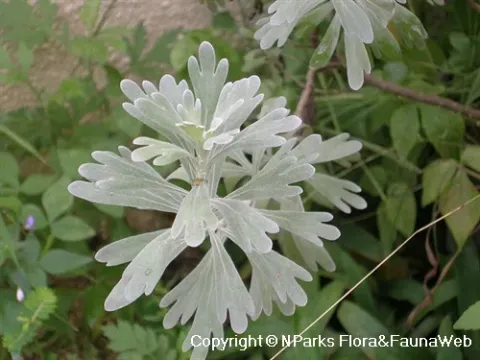
Chinese mugwort
Artemisia chinensis
Chinese mugwort (Artemisia chinensis) is a perennial herbaceous plant belonging to the Asteraceae family. It is widely recognized for its medicinal applications and specific aromatic profile, making it a valuable crop for small-scale and specialized agricultural production.
What the section contains
Chinese mugwort
The plant is typically propagated by seeds or through the division of mature rootstocks during the dormant season. Sowing in early spring, once the danger of frost has passed, is the most common practice for establishing new stands.
Seeds should be sown shallowly into well-prepared soil as they require light to germinate effectively. Maintaining a consistent moisture level is crucial during the initial two-week period until seedlings are fully established.
Spacing is essential for the health of the plant, with a recommended distance of at least 40 to 60 centimeters between individuals to allow for proper airflow. Overcrowding can significantly increase the risk of disease.
Once established, the plant exhibits vigorous growth, filling the assigned space quickly and outcompeting most common annual weeds if managed correctly during the first months of development.
Chinese mugwort thrives in full sun, which is necessary for the optimal synthesis of the volatile oils that provide its medicinal properties. Shaded environments will result in leggy plants with lower aromatic content.
The ideal soil is well-drained, sandy loam with a neutral to slightly alkaline pH. Drainage is a critical factor, as this plant is prone to root rot when exposed to consistently waterlogged conditions.
While the plant is relatively hardy and drought-tolerant once mature, supplemental irrigation during the hottest months of the summer will increase the total biomass yield and improve the quality of the foliage.
Soil fertility management should focus on balanced organic amendments. Excessive nitrogen fertilization should be avoided as it promotes rapid but succulent growth that is more susceptible to pest infestations.
The plant adapts well to a variety of temperate climates but requires a winter dormancy period to reset its growth cycle. In extreme cold, covering the root zone with mulch is a recommended practice.
Aphids and spider mites are the primary pests affecting Chinese mugwort. These insects thrive in dry, hot conditions and can cause significant damage to the leaves if populations are not controlled.
Fungal diseases, including powdery mildew and various leaf spot pathogens, are common in humid environments or when plants are grown too close together. Prevention relies on good sanitation and proper airflow.
Integrated pest management should prioritize biological controls and mechanical removal of infected parts. Chemical intervention should be reserved for severe outbreaks and applied with caution to preserve the plant's medicinal quality.
Weed management is vital during the establishment phase. Using mulch around the base of the plants can help conserve moisture and suppress unwanted vegetation effectively.
Regular inspection of the undersides of the leaves is the best way to catch early signs of pest pressure, allowing for timely intervention before the health of the entire crop is compromised.
Harvesting usually takes place during the peak of the flowering stage, which is when the concentration of essential active compounds is at its highest point of the growing season.
The stems are typically cut using sharp tools, taking care to leave enough of the base to ensure the plant can successfully regenerate in the following year. Harvesting is best performed in the morning after the dew has evaporated.
The harvested material must be dried immediately in a cool, well-ventilated area away from direct sunlight. High heat or UV exposure will degrade the volatile compounds that define the plant's value.
Proper drying is complete when the leaves are brittle and retain their characteristic color. The final product should be stored in opaque, airtight containers to prevent loss of potency over time.
Beyond traditional medicinal use, the dried material is highly valued in various therapeutic practices and as a natural repellent in integrated farming systems, highlighting its diverse utility.