
Cheeseman's Daisy Bush
Olearia cheesmanii
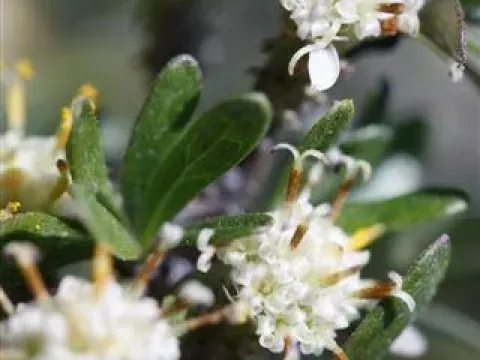
Cheeseman's Daisy Bush (Olearia cheesmanii) is an evergreen shrub belonging to the Asteraceae family. Native to New Zealand, this species is highly regarded for its dense growth habit and profuse display of small, white, daisy-like flowers.
What the section contains
Cheeseman's Daisy Bush
For successful cultivation, the plant requires well-draining, fertile soil with a neutral to slightly acidic pH. Avoiding waterlogged soil is critical, as the species is susceptible to root rot if the growing medium stays saturated for too long.
This shrub prefers full sun exposure to ensure maximum flower production. In cooler climates, it is essential to plant it in a sheltered position, protected from strong, cold winds that can damage the foliage and delicate stems.
Agricultural practices include consistent watering during dry spells and applying mulch to maintain root zone temperature. Light pruning after the flowering season helps maintain a compact shape and promotes vigorous growth in the following year.
Botanically, Olearia cheesmanii is characterized by its narrow, leathery leaves and terminal clusters of flowers. Its aesthetic appeal makes it a popular choice for rock gardens and borders where its unique texture can be highlighted.
The primary threats to this culture are fungal diseases, particularly those affecting the roots due to poor drainage. Ensuring excellent soil porosity is the most effective preventative measure against such issues.
Pests such as aphids and spider mites can infest the plant, especially during warm, dry weather. Regular inspection of the leaves and the use of appropriate horticultural soaps or insecticides are recommended to keep populations in check.
Powdery mildew can occur if the plant is grown in conditions with poor air circulation. Regular thinning of the branches helps improve airflow, which significantly reduces the risk of fungal infections within the dense canopy.
Leaf spot diseases may occasionally arise in humid environments. Applying copper-based fungicides can help manage these symptoms if they occur, though maintaining plant vigor through proper nutrition is the best long-term defense.
Effective pest management relies on early detection and consistent cultural practices. By maintaining a clean environment around the shrub and ensuring it has adequate space to grow, gardeners can prevent most common health issues.