
Burbank chrysanthemum
Chrysanthemum burbankii
Description
Sowing dates
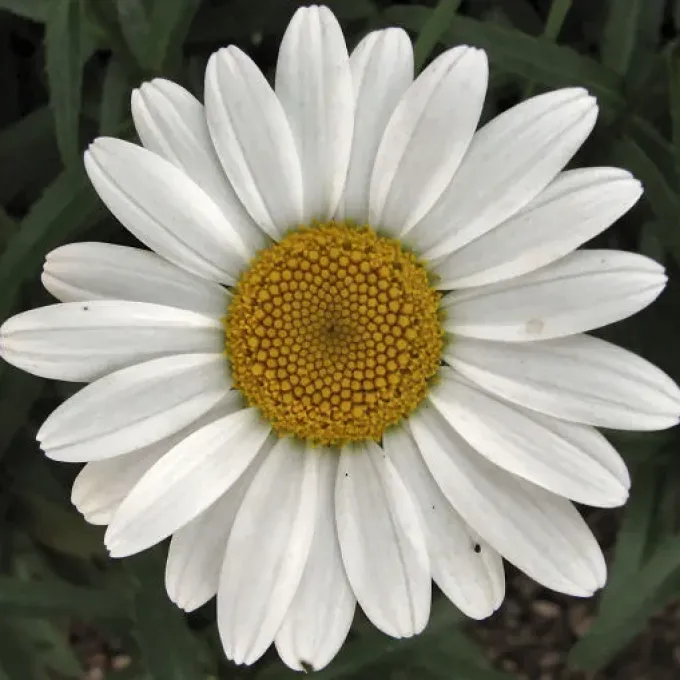
Burbank chrysanthemum (Chrysanthemum burbankii) is a distinctive perennial belonging to the Asteraceae family. Developed through selective breeding, this plant is favored for its robust growth habit and impressive floral displays that enhance any landscape or garden bed.
Propagation is most commonly achieved through seeds sown in late winter or early spring in a controlled environment. Keeping the seed trays in a warm, bright location ensures a higher germination rate and healthy seedlings before they are ready for hardening off.
Transplanting to the garden should occur once the risk of frost has passed and the soil has sufficiently warmed up. Spacing the plants 40 to 50 centimeters apart is essential, as proper airflow prevents humidity buildup and reduces the risk of leaf diseases.
Division of established clumps is another reliable method for multiplying this plant. This process is best performed during the dormant season or early spring, ensuring that each new division has adequate root mass to support vigorous new growth.
Preparing the planting hole with organic matter or compost provides the necessary nutrients for the initial establishment phase. Once planted, watering the base thoroughly helps eliminate air pockets and encourages rapid root anchoring in the new soil environment.
Growing requirements
This variety thrives in full sun, requiring at least six to eight hours of direct light daily to produce the best blooms. In regions with intense afternoon heat, some light afternoon shade may be beneficial, though it should not compromise total light exposure.
Well-draining soil is paramount for the long-term survival of the chrysanthemum. Soils prone to waterlogging will cause root rot; therefore, incorporating sand or perlite into clay-heavy soils can significantly improve drainage characteristics.
Nutrient management involves applying balanced fertilizers during the active growing season. Nitrogen is key for vegetative development in the spring, while phosphorus and potassium are crucial for promoting a heavy bloom count during late summer.
Watering should be consistent, aiming for the soil base rather than the foliage to prevent fungal issues. During prolonged dry spells, deep watering once a week is far superior to daily light watering, as it encourages deeper and stronger root system development.
Regular maintenance including deadheading spent flowers prolongs the blooming period and keeps the plant looking tidy. Cutting back the stems after the first hard frost protects the crown and prepares the plant for a healthy return in the spring.
Main diseases and pests
Powdery mildew represents the primary threat during seasons with fluctuating moisture and humidity. Applying preventative fungicides and ensuring the plants have adequate space between them will significantly decrease the incidence of this fungal issue.
Aphids and spider mites are typical pests that congregate on the undersides of leaves or soft growing tips. Utilizing insecticidal soaps or neem oil is an effective, environmentally friendly approach to managing these populations before they cause visible damage.
Root rot is often the result of poor soil drainage or excessive irrigation practices. Symptoms include wilting and yellowing of the leaves even when the soil appears moist, requiring an immediate reduction in water and potentially soil amendments.
Foliar nematodes can lead to distorted or necrotic spots on leaves, which may spread if not contained. Removing infected plants and practicing strict garden hygiene will prevent the spread of pathogens throughout the planting area.
- Maximize sun exposure for stronger plants.
- Ensure excellent drainage in the planting area.
- Avoid overhead watering during humid weather.
- Monitor foliage regularly for early signs of pests.