
Indian plantain
Cacalia atriplicifolia
Description
Growing requirements
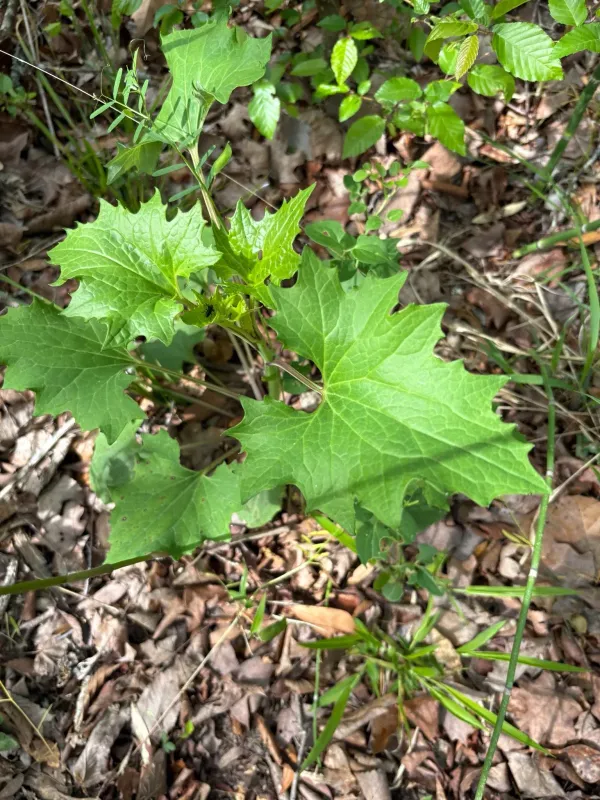
Indian plantain (Cacalia atriplicifolia) is a perennial herb belonging to the Asteraceae family. Native to North America, this plant is typically found in woodland habitats and rich, moist soil environments where it develops its characteristic broad leaves.
Cultivation of this species requires sites with partial shade, as the foliage is sensitive to high-intensity sunlight. It performs best in nutrient-dense, loamy soils that can retain moisture while providing adequate drainage to prevent root rot.
Regarding climatic requirements, the plant is hardy and adapts well to temperate regions. It thrives in locations where there is a consistent moisture supply, making it suitable for areas with moderate annual rainfall or supplemental irrigation systems.
Agronomic practices should focus on maintaining high soil fertility through organic amendments. Adding compost or well-rotted manure during the pre-planting phase ensures the plant has sufficient nutrients for robust development throughout the growing season.
Botanically, the plant features distinctive triangular to heart-shaped leaves and tall stalks. Propagation is typically managed via root division in the early spring, allowing for stable establishment and steady growth in the desired production area.
Main diseases and pests
Fungal diseases, particularly powdery mildew, pose a significant challenge in high-humidity climates. Proper plant spacing is essential to ensure adequate airflow, which significantly reduces the probability of infection among the foliage.
Common insect pests include aphids and spider mites, which can drain the plant of essential nutrients if left unchecked. Early detection through regular field scouting is critical for effective management of these populations.
When necessary, integrated pest management strategies should be applied. This includes using targeted insecticides or biological control agents that do not disrupt the local ecosystem or harm beneficial pollinating insects.
Slugs and snails present a seasonal threat, especially to young plants in the spring. Implementing physical barriers or using non-toxic bait can help protect vulnerable emerging stems from being consumed.
Maintenance involves removing debris and affected plant parts at the end of the season to prevent spores from overwintering in the soil. This simple sanitation step is vital for ensuring a healthy crop cycle in the following year.