
Bradburia
Bradburia
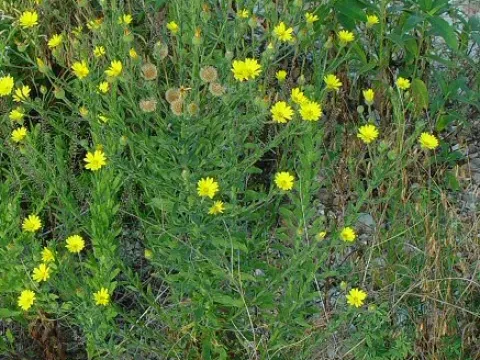
Bradburia is a genus of flowering plants belonging to the Asteraceae family. Known for its presence in the native grasslands of North America, this plant is primarily studied for its role in local biodiversity and ecosystem restoration efforts.
What the section contains
Bradburia
Sowing should mimic natural conditions, ideally occurring in late autumn or early winter. The seeds require a period of cold stratification to overcome dormancy, ensuring robust germination when temperatures rise in the spring.
The ideal substrate for Bradburia is a loose, sandy, or well-draining soil mix. Compacted or heavy soils should be avoided, as the roots are sensitive to hypoxia caused by insufficient oxygen exchange in waterlogged conditions.
Seeds should be sown shallowly, as they are light-dependent for proper germination. Covering them with a thin layer of fine sand or grit is sufficient to maintain moisture while allowing enough light to penetrate to the surface.
In a controlled cultivation setting, it is important to provide sufficient spacing between plants to prevent competition for light and nutrients. A distance of at least 30 cm allows for proper airflow, reducing the risk of moisture-related issues.
Bradburia thrives in full sun exposure. As a plant adapted to open prairies, it relies heavily on direct solar radiation to maintain its growth cycle and produce healthy, vibrant blossoms during its peak flowering season.
The plant is highly drought-tolerant, capable of surviving in nutrient-poor environments where water availability is limited. Its root structure is specialized for gathering moisture and stability in shifting or sandy substrates.
Soil pH preference is generally neutral to slightly acidic. Providing a soil environment that mimics its natural habitat—specifically sandy, rocky, or gravely soils—is key to keeping the plant healthy and vigorous.
Temperature tolerance is a hallmark of this species, as it is evolved to withstand the extreme summer heat of the southeastern United States. It does not require special temperature control once established in the ground.
Watering should be strictly regulated to avoid oversaturation. During the peak of the growing season, deep, infrequent watering is preferable to light daily sprinkles, which can promote shallow rooting and reduce overall resilience.
Fungal diseases are the primary threat to Bradburia, especially root rot caused by poor drainage and excessive humidity. Preventing water accumulation around the base of the plant is the most effective management strategy.
Insect pests, including aphids and leaf-eating beetles, may attack during the rapid growth phase. Vigilant monitoring is necessary to prevent significant damage to the foliage and flower buds, which are essential for seed production.
Weed competition is a significant concern during the establishment phase. As a relatively slow grower in its early life, the plant requires active removal of surrounding vegetation to prevent being outcompeted for soil space and sunlight.
Environmental stress, particularly prolonged periods of high humidity combined with low airflow, can trigger outbreaks of powdery mildew. Proper plant spacing is a fundamental practice in mitigating this risk.
Integrated pest management (IPM) is the recommended approach for maintaining healthy populations. By focusing on site preparation and sanitary conditions, the need for chemical interventions can be kept to a minimum.