
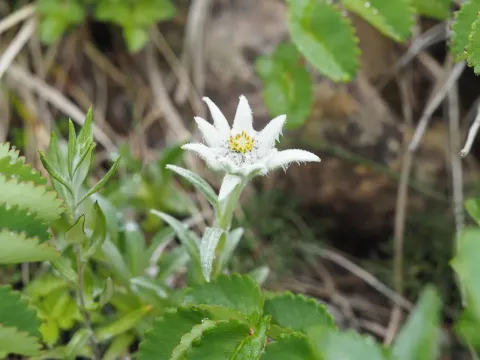
Leontopodium hayachinense
Leontopodium hayachinense
Leontopodium hayachinense is a rare perennial species belonging to the Asteraceae family. Native to the Hayachine mountains in Japan, this plant is a specialized alpine herb known for its distinct silver-white woolly foliage and bracts.
What the section contains
Leontopodium hayachinense
To successfully cultivate this species, growers must replicate high-altitude conditions. The plant demands full sunlight and thrives in locations where the foliage remains dry, preventing the accumulation of moisture that can cause rot.
The ideal soil profile consists of rocky, gritty, and highly porous substrates. Gardeners should ensure a neutral to slightly alkaline pH, often incorporating crushed limestone to improve drainage and mirror the plant's natural habitat.
Climate requirements include cool growing temperatures and excellent air circulation. The plant is sensitive to high humidity and stagnant air, which can compromise its structural integrity and overall vigor during the vegetative cycle.
In ornamental horticulture, Leontopodium hayachinense is highly prized for rock gardens and crevice plantings. Its slow-growing, compact nature makes it an excellent choice for specialists looking to curate diverse alpine collections.
The primary threat to this plant is root decay caused by excessive moisture retention in the soil. Proper drainage systems are essential, especially during the dormant season, to ensure the root neck stays dry.
Pests such as aphids and spider mites can infest the plant, particularly in sheltered or drought-stressed conditions. Regular monitoring is required to detect early signs of infestation and apply targeted management strategies.
Weed encroachment is a significant issue due to the plant's slow developmental pace. Keeping the area surrounding the base clear of invasive grasses is necessary to prevent resource competition and ensure plant longevity.
Fungal pathogens can spread quickly if air circulation is inadequate. It is recommended to avoid overhead watering, which can damage the delicate woolly trichomes that protect the plant's leaves.
Winter damage is a common risk in regions with fluctuating temperatures. Applying a mulch of fine gravel or grit around the crown helps insulate the base and protects the plant from the freeze-thaw cycles that can cause frost heaving.