
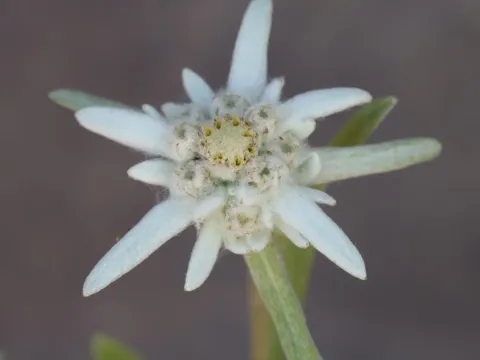
Leontopodium hybrids
Leontopodium hybrids
Seeds of Leontopodium hybrids require a cold stratification process to break dormancy, which is typically carried out by keeping them in a refrigerator for several weeks.
What the section contains
Leontopodium hybrids
Sowing is performed in early spring using a sterile, well-draining seed-starting mix, pressing the seeds gently onto the surface without covering them with soil.
Light is essential for germination, so ensure that the containers are placed in a well-lit environment but protected from direct scorching sunlight during the early stages.
Seedlings develop slowly, requiring a stable, cool environment; avoid overwatering at this stage to prevent damping-off disease which is common in cold-loving species.
Transplanting into the garden bed should be done once the threat of frost has passed, ensuring the plants are placed in a location that mimics their native alpine conditions.
Leontopodium hybrids are resilient perennial members of the Asteraceae family, valued for their unique silvery, felt-like bracts and distinctive star-shaped appearance.
These plants thrive in full sun and require extremely well-draining, gritty soil, preferably with a slightly alkaline pH to remain healthy and vibrant.
Native to high-altitude mountainous regions, they are highly tolerant of cold temperatures but struggle significantly in humid, lowland climates where air circulation is poor.
Cultural practices should prioritize minimal irrigation; the plants are drought-tolerant once established and prefer a lean soil medium rather than fertile, heavy garden soil.
Maintenance is limited to occasional weeding and removal of dead flower heads, which encourages the plant to maintain its neat, compact habit throughout the growing season.
Root rot is the most serious threat to Leontopodium hybrids, primarily caused by poor drainage or excessive soil moisture levels during winter dormancy.
Powdery mildew may occur if the plants are situated in areas with stagnant air, requiring proper thinning of foliage and treatment with appropriate fungicides.
Slugs and snails represent the primary pest challenge, often causing significant damage to the soft, hairy foliage and the developing flower buds during wet periods.
Regular monitoring of the garden for pest damage is essential, and applying a physical barrier such as coarse gravel around the base of the plant can deter invaders.
Implementing good drainage solutions during site preparation remains the most effective defense against the majority of fungal and physiological threats to the species.