
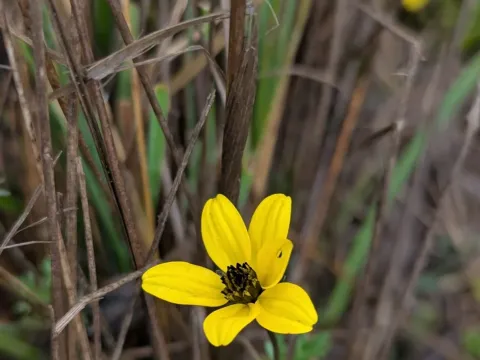
Andean beggartick
Bidens andicola
Bidens andicola, commonly known as Andean beggartick, belongs to the Asteraceae family and is native to the high-altitude regions of the Andes. Successful cultivation begins with precise timing, typically sowing in early spring after the risk of frost has completely passed.
What the section contains
Andean beggartick
The seeds require high-quality, well-draining soil to germinate effectively. It is recommended to sow seeds in rows at a shallow depth of approximately 0.5 centimeters, as they are sensitive to light and depth, ensuring proper contact with moist soil for optimal growth.
When starting as transplants, seedlings should be grown in a controlled environment until they develop at least two true leaves. This approach ensures a stronger root system and better survival rates when the plants are transferred to their permanent outdoor location.
Proper spacing is crucial for the development of individual plants. A density of about 8 to 10 plants per square meter is considered ideal, allowing sufficient room for branching and air circulation, which helps in preventing fungal issues in later stages.
In regions with shorter growing seasons, starting seeds indoors is mandatory to maximize biomass production before the autumn cooling. Maintaining a consistent temperature of around 20 degrees Celsius during the initial germination phase is essential for success.
Andean beggartick thrives in full sun exposure. While it can tolerate partial shade, maximum yield is only achieved when the plant receives at least six to eight hours of direct sunlight per day, which is vital for the development of its active phytochemical compounds.
The soil should be fertile, loose, and slightly acidic to neutral in pH. Enriching the soil with organic compost before planting provides the necessary nutrients for robust growth throughout the vegetative stage, minimizing the need for heavy chemical fertilizers.
Water management is critical for this species. While it is somewhat resilient to minor drought conditions, regular and consistent moisture is required during the flowering phase to ensure high-quality plant biomass and continuous bloom production.
Proper drainage is paramount to avoid root rot. If the soil is heavy or prone to waterlogging, it is advisable to plant on raised beds, which improves oxygenation to the root zone and helps manage the soil moisture levels effectively.
Weed control is an essential agrotechnical practice. Because Bidens andicola is often used for its medicinal properties, maintaining an organic environment is preferred, so manual weeding or the use of biodegradable mulching materials is highly recommended.
The most common threats to Bidens andicola include various fungal pathogens such as powdery mildew, which thrive in overcrowded and humid conditions. Ensuring adequate spacing between plants is the primary preventive measure to mitigate these risks.
Pests like aphids and spider mites can cause significant damage by feeding on the sap of young, tender leaves. Regular field inspections are necessary to detect these pests early, allowing for targeted organic interventions before the infestation spreads.
Slugs and snails can be destructive, particularly to young seedlings. Implementing physical barriers such as copper tape or wood ash around the perimeter of the crop area can effectively deter these pests without relying on harsh pesticides.
Crop rotation is a fundamental practice to maintain soil health. Avoiding the cultivation of Asteraceae species on the same plot for more than two consecutive years reduces the accumulation of soil-borne pathogens and helps maintain high yields.
If chemical interventions become necessary, they should be chosen carefully to maintain the medicinal integrity of the plant. Applying biological pest control agents, such as predatory insects, can often provide an effective and eco-friendly solution for managing pest populations.
Harvesting should ideally occur at the peak of the flowering stage, as this is when the secondary metabolites and medicinal compounds are at their highest concentration within the plant tissues. The tips of the stems are carefully pruned to allow the plant to continue growing.
Efficiency during harvest is key to quality. Collected plant material should be moved to a shaded, well-ventilated area for drying as soon as possible to prevent degradation of its properties due to heat or direct sunlight exposure.
Drying is performed at low temperatures (below 40 degrees Celsius) in a controlled environment. Proper air circulation is necessary to ensure the plant matter dries evenly without developing mold or experiencing undesirable discoloration of the leaves.
Once dried, the product must be cleaned of any dirt, weeds, or debris. This refinement process is critical to ensure that the final product meets the standards for safety and purity, especially when the plant is intended for medicinal or dietary applications.
Storage should be handled in dark, cool, and dry conditions. Using airtight containers helps preserve the potency of the herbal material, protecting it from moisture and odors that could compromise its quality over an extended shelf life of up to two years.