
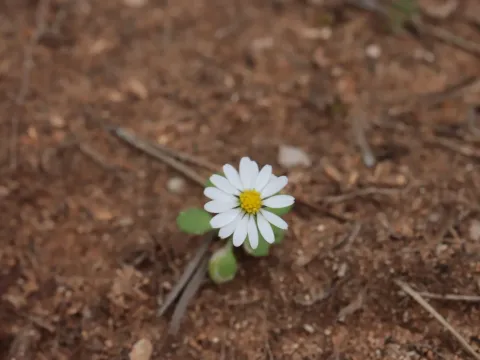
Annual daisy
Bellis annua
Annual daisy (Bellis annua) is a member of the Asteraceae family. Unlike its perennial counterparts, this species completes its entire life cycle, from seed germination to flowering and seed production, within a single growing season.
What the section contains
Annual daisy
Sowing should ideally occur in early spring once the soil temperature is consistently above 10°C. For indoor starts, seeds can be sown in trays 6–8 weeks before the last frost, ensuring they are placed on the surface due to their tiny size.
Light is essential for the germination of these seeds. Therefore, they should not be covered with a thick layer of soil; pressing them into a moist, fine-textured seed-starting mix is sufficient for success.
Once seedlings develop two sets of true leaves, they should be thinned or pricked out into individual pots. This stage is crucial for developing a strong root system before they are hardened off and transplanted outdoors.
Transplanting into the garden bed requires careful handling. Space the plants about 15–20 cm apart to ensure that each specimen has sufficient airflow, which helps prevent damp conditions around the foliage.
This crop thrives in well-drained, fertile soil with a neutral pH. While it is adaptable to various soil types, adding organic matter such as compost helps improve soil structure and water retention, promoting vigorous growth.
Annual daisies prefer full sun exposure but will tolerate partial shade, especially in warmer climates where afternoon heat might cause stress. Consistent light is necessary for healthy, compact growth and abundant bloom production.
Watering requirements are moderate but steady. The soil should be kept consistently moist but never waterlogged, as excessive standing water can lead to root rot and other moisture-related diseases in the rosette.
The ideal temperature range for Bellis annua is 18–22°C. While the plant can withstand slight fluctuations, extreme heat often results in diminished floral performance and earlier plant senescence.
Maintenance involves regular weeding and light hoeing to ensure soil aeration. Removing faded flowers is highly recommended, as it prevents seed formation and encourages the plant to allocate more energy toward developing new blooms.
Fungal diseases, specifically powdery mildew, are the most frequent issues, appearing as a white, dusty layer on leaves. This is usually triggered by high humidity levels combined with poor air circulation.
Gray mold (Botrytis) may affect the plants during prolonged wet periods. It typically targets the base of the stems or damaged tissue, spreading rapidly if the plants are crowded together in a damp environment.
Pests such as aphids and spider mites are common adversaries. These small insects feed on the sap, leading to leaf deformation, yellowing, and an overall reduction in the plant's aesthetic and physiological health.
Integrated pest management is recommended, starting with cultural practices like proper spacing. If infestation levels become critical, targeted insecticidal soaps or systemic pesticides should be applied according to manufacturer guidelines.
Early detection is the key to minimizing the impact of these threats. Regularly inspecting the undersides of the leaves and the base of the plant allows for timely interventions, protecting the health of the entire daisy patch.