
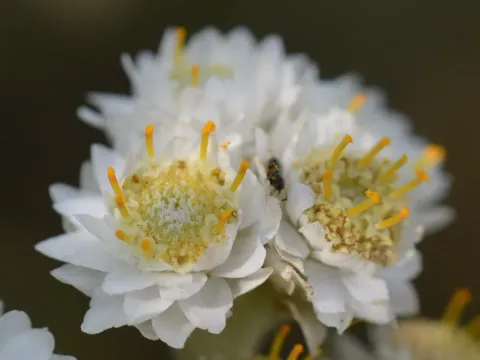
Anaphalis contorta
Anaphalis contorta
Anaphalis contorta, a member of the Asteraceae family, is typically propagated via seeds or rhizome division. Due to their tiny size, seeds require specific handling during the sowing process to ensure successful germination and seedling establishment.
What the section contains
Anaphalis contorta
Sowing should ideally take place in late winter or early spring. Seeds are scattered on the surface of a fine, moist potting mix and should not be buried deeply, as they require light to germinate effectively and maintain optimal development.
Maintaining a stable temperature of approximately 20 degrees Celsius is crucial during the germination phase. The soil must be kept consistently moist but not waterlogged, which can be achieved by covering the container with plastic wrap to retain humidity.
Once the seedlings develop their first true leaves, they should be pricked out into individual pots. This transition period is vital for fostering a robust root system before the young plants are hardened off and transplanted to their permanent outdoor location.
Transplanting into the garden occurs only after the danger of frost has passed. Spacing is essential for this species, with an recommended distance of 30 to 45 centimeters between plants to allow for proper foliage expansion and adequate airflow.
This species thrives in sunny locations, making it an excellent choice for open garden areas. It exhibits remarkable winter hardiness, allowing it to adapt to a wide variety of climatic conditions without requiring specialized winter protection.
In terms of soil preference, Anaphalis contorta performs best in light, well-draining substrates. It is highly intolerant of waterlogged conditions, so providing adequate drainage is the most important factor in site selection and plant longevity.
The plant is relatively drought-tolerant once established, requiring supplemental irrigation only during prolonged dry spells. Overwatering is a common mistake that can lead to root rot and other moisture-related health issues in the root zone.
Minimal maintenance is required to keep the plant healthy. Occasional weeding and shallow soil cultivation help improve oxygen circulation, which is beneficial for the root system and contributes to the overall vigor of the perennial clump.
Applying a balanced mineral fertilizer at the start of the growing season can boost foliage growth and promote more prolific flowering. However, excessive fertilization should be avoided as it may lead to weak, elongated stems.
Anaphalis contorta is highly resistant to most pests and diseases, largely due to the dense, woolly hairs covering its leaves and stems, which act as a physical deterrent against many common garden insects and herbivores.
Root rot is the most significant threat, typically caused by excessive soil moisture or poor drainage. Proper site selection and avoiding deep, heavy clay soils are the primary methods for preventing this devastating condition.
Powdery mildew may occur in areas with poor air circulation or high humidity levels. If symptoms appear, the affected foliage should be pruned and removed, and a suitable fungicide can be applied to stop the progression of the fungus.
Aphids are occasional visitors but rarely reach levels that require chemical intervention. Regular inspection of the plant is recommended, and simple physical removal or insecticidal soap is usually sufficient to address minor infestations.
General hygiene, such as removing old plant debris and ensuring adequate spacing, remains the most effective defense strategy. A well-ventilated, properly maintained garden environment ensures the plant remains vigorous and disease-free.
The primary horticultural use of Anaphalis contorta is for the production of dried flowers. Its inflorescences maintain their structural integrity and aesthetic appeal for long periods, making them highly prized in the floral industry.
Harvesting should occur when the flowers are fully open but before they begin to fade. The best time for collection is during a dry, sunny afternoon, ensuring that the plant tissue is free from dew or residual precipitation.
Bundles of stems should be hung upside down in a dark, well-ventilated room to dry. This method prevents the flowers from bending and protects them from sunlight, which could otherwise cause the delicate pigments to bleach prematurely.
Dried stems are widely used in decorative wreaths, interior floral arrangements, and rustic crafts. Their silver-white appearance adds a unique texture and a sophisticated color palette to various design projects throughout the year.
Beyond floral use, the plant is a valuable asset in landscape architecture, particularly for rock gardens and borders. Its silvery-grey foliage provides a striking contrast, enhancing the beauty of other companion plants in the garden.