
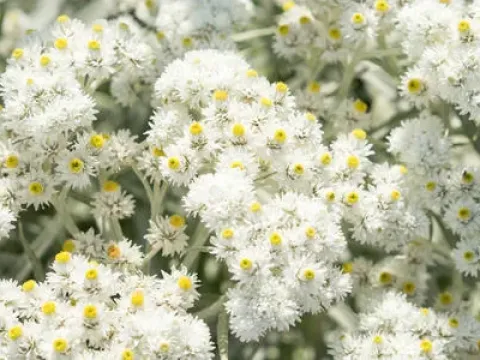
Anaphalis sinica
Anaphalis sinica
Anaphalis sinica is typically propagated via seeds sown in early spring. The seeds are very fine, so they should be surface-sown on a light, well-draining seed starting mix and not buried deep.
What the section contains
Anaphalis sinica
Seedlings grow at a slow pace, requiring bright, indirect light and consistent moisture to establish. Once they develop several sets of true leaves, they can be pricked out into individual pots.
Transplanting into the permanent garden location should occur after the final spring frost. Plants prefer a sunny spot where they can gradually adapt to the outdoor environment.
Vegetative division is another common method, performed in early spring or autumn. This technique allows gardeners to expand their plantings while ensuring the new divisions are healthy and robust.
Proper spacing is crucial; planting them 30 to 40 centimeters apart ensures enough airflow, which is essential for preventing humidity-related issues in the foliage.
This species belongs to the Asteraceae family and is known for its woolly, silver-gray foliage. It thrives in open, sunny positions and tolerates a wide range of well-drained soil types.
It prefers sandy or rocky soils, mimicking its natural habitat. It is highly adaptable and can survive in poor soils where more demanding ornamental plants would fail.
The plant is exceptionally drought-tolerant once established. Supplemental watering is only required during extreme dry spells, as it does not tolerate waterlogged soil conditions.
Minimal fertilization is recommended. Over-feeding with nitrogen-rich fertilizers can result in weak, floppy stems and may reduce the plant's natural cold hardiness.
Hardiness is a key feature of this plant, making it an excellent choice for temperate climates. It requires little protection during winter months and remains structurally sound.
Harvesting for dried arrangements should take place when the flowers are fully open but before they begin to turn brown. This ensures the best retention of the silvery white color.
To dry the stems, hang them upside down in a dark, dry, and well-ventilated room. This process prevents the stems from drooping and maintains the aesthetic quality of the blooms.
In landscaping, Anaphalis sinica is used for its textural appeal in rock gardens and herbaceous borders. It pairs beautifully with lavender and other Mediterranean-style plants.
The dried stems are highly sought after for floral crafts and winter bouquets, as they hold their shape and color for extended periods without fading significantly.
Maintenance pruning of the spent flowers helps the plant focus energy on root development and keeps the surrounding garden area looking tidy throughout the season.
Anaphalis sinica is relatively resistant to major pests, but poor air circulation can lead to powdery mildew. This fungal disease appears as a white dusting on the leaves.
Root rot is the most common issue, usually caused by stagnant water or excessively heavy clay soil. Ensuring a well-draining site is the primary prevention strategy.
Pests like aphids may occasionally appear but rarely cause significant damage. If infestations become heavy, light treatment with insecticidal soap is usually effective.
Good cultural practices, such as removing debris and thinning out dense patches, will help keep the plants healthy and vigorous for many growing seasons.
Regular monitoring during humid summers is advisable, especially in areas with stagnant air, to catch any signs of fungal infections before they spread across the bed.