
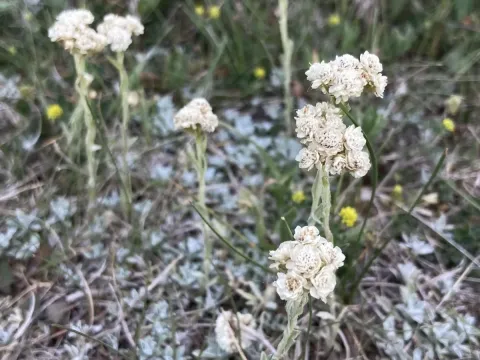
Antennaria microphylla
Antennaria microphylla
Antennaria microphylla, commonly known as little-leaf pussytoes, is a perennial herbaceous plant belonging to the Asteraceae family. Native to North America, it is naturally distributed across dry meadows, stony slopes, and mountain ridges.
What the section contains
Antennaria microphylla
The plant is distinguished by its low-growing, mat-forming habit, which creates a silver-grey carpet effect. This aesthetic appeal is due to the dense, woolly hairs covering its small, lanceolate leaves, which provide drought tolerance.
Cultivation requires well-drained, nutrient-poor soil to thrive. It performs best in sandy or gravelly substrates and is highly intolerant of waterlogged conditions, which can lead to rapid root rot and plant mortality.
As a sun-loving species, it demands full exposure to sunlight throughout the day. It is extremely cold-hardy and capable of withstanding harsh winters, making it an excellent candidate for high-altitude or arid landscapes.
Economically, it is valued primarily in landscape architecture for rock gardens, xeriscaping, and erosion control. Additionally, its ethnobotanical history includes medicinal use for various inflammatory conditions.
Antennaria microphylla is characterized by its high resilience and low susceptibility to pests and diseases under appropriate environmental conditions. Its primary health issues are almost always management-related.
Excessive soil moisture is the primary threat to the plant's survival. During dormant periods or wet seasons, stagnant water in the root zone quickly promotes fungal decay and loss of vigor.
Foliar diseases, such as leaf spot, can occur in poorly ventilated areas or locations where humidity remains trapped within the dense leaf mats. Proper spacing is essential to ensure adequate airflow and prevent these issues.
Insect pests, including aphids and spider mites, may occasionally colonize the foliage during periods of extreme heat or drought stress. Monitoring for signs of infestation is crucial during peak summer months.
Management of these threats involves preventative measures: ensuring optimal drainage, avoiding overhead irrigation, and maintaining proper plant spacing to prevent the creation of a microclimate favorable to pathogens.